
REVIEW · GOBI DESERT TOURS
3 Day Tour to Kharkhorin and Mini Gobi with Camel and Horse Ride
Mongolia gets big quickly. This three-day trip packs Karakorum, Erdene Zuu Monastery, Turkic and Khitan-era sites, and the Elsen Tasarkhai dunes into a manageable route from Ulaanbaatar. It is a strong choice if you want history, open steppe, and time with a nomadic family without committing to a much longer expedition.
I especially like the mix of Mongolian history and daily life. You are not only looking at ruins and museum displays. You also have a chance to milk livestock, play ankle bone games, help prepare barbecue, and ride a camel or horse. The private format is another plus, since your group can discuss the pace and morning plans with the guide.
The main drawback is the schedule. Long drives and several major stops make this an active three days, not a slow retreat. Conditions can also affect the experience, especially in the off-season, when fewer tourist camps may be operating around Mini Gobi.
In This Review
- Key points to know before booking
- Why this short tour works
- Day 1: The road to Karakorum
- Erdene Zuu and Mongolia’s Buddhist story
- The Kharakhorum Museum fills in the missing pieces
- Day 2: Sand, mountains, and a nomadic household
- A real look at everyday nomadic work
- Khugnu Khan and the remains of Erdene Khamba Khiid
- Day 3: Sunrise over the Mini Gobi
- What the private format changes
- The $750 question
- Who should book this Mongolia trip?
- FAQ
- Where does the tour begin?
- How long is the tour?
- Is this a private tour?
- What is the price?
- Does the tour include horse and camel riding?
- How much time is spent traveling to Karakorum?
- Is admission to Erdene Zuu Monastery included?
- Is admission to the Kharakhorum Museum included?
- What can you do with the nomadic family?
- Can the tour be canceled because of weather?
Key points to know before booking
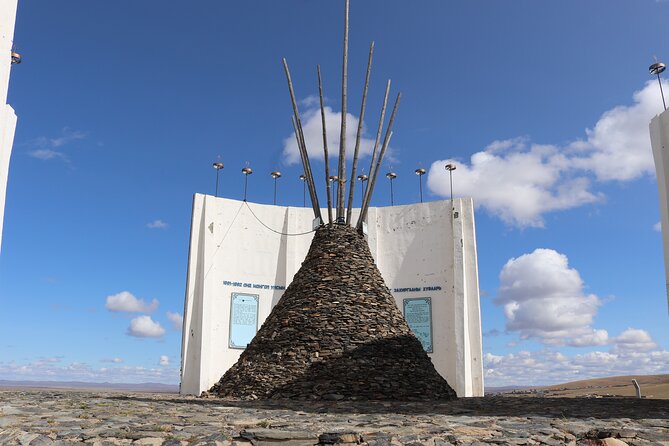
- Karakorum connects Mongolia’s imperial past with its Buddhist present, through the ancient capital, Erdene Zuu Monastery, and the local museum.
- Elsen Tasarkhai gives you a compact Gobi experience, with dunes, camel and horse riding, and a striking mix of sand, pasture, and mountain.
- The nomad-family visit is the most hands-on part, including livestock chores, milking, ankle bone games, and Mongolian barbecue preparation.
- This is a private tour for your group only, with pickup available from your designated hotel or the airport.
- The second day is the longest, with about eight hours around the sand dunes and camel-herding area.
- April and other off-season dates may offer fewer camp choices, but they can still bring a quiet and memorable stay with a nomadic family.
Why this short tour works
Mongolia is not a destination where distances look honest on a map. A place that appears nearby can require hours across open country. This tour makes a practical compromise: you see several major sights in central Mongolia, then return to Ulaanbaatar after three days rather than spending a week on the road.
The route also avoids being only a sightseeing checklist. Karakorum gives you major historical context. Erdene Zuu shows the continuing importance of Buddhism. Elsen Tasarkhai changes the scenery to sand dunes, pasture, and mountain. The visit with a horse-breeding or camel-herding family adds the human side of the trip.
At $750 per person, the value depends on what matters most to you. This is not a low-cost transfer with a few photo stops. The price covers a private guided experience, pickup, several admissions, and activities built around the local setting. You are paying for access to a concentrated slice of Mongolia and for the convenience of arranging it in a short window.
Still, you should check exactly what is included before paying. The information confirms pickup, admission to Erdene Zuu and the Kharakhorum Museum, and the family activities, but it does not spell out every meal, lodging arrangement, or transport detail. Ask the provider to clarify those points.
More of the Gobi:
- From Ulaanbaatar: Semi Gobi and Ancient Kharkhorin Tour
★ 4.5 · 114 reviews - Ulaanbaatar: Semi-Gobi Desert Day Trip & Camel Ride
★ 4.0 · 92 reviews - 1 Day Semi-Gobi All-included tour
★ 4.0 · 69 reviews
Day 1: The road to Karakorum
Your guide and driver meet you at your hotel or the airport, then take you toward Kharkhorin, also known as Karakorum. The drive takes about five hours, so this is a day for watching the country open up rather than rushing from one landmark to another.
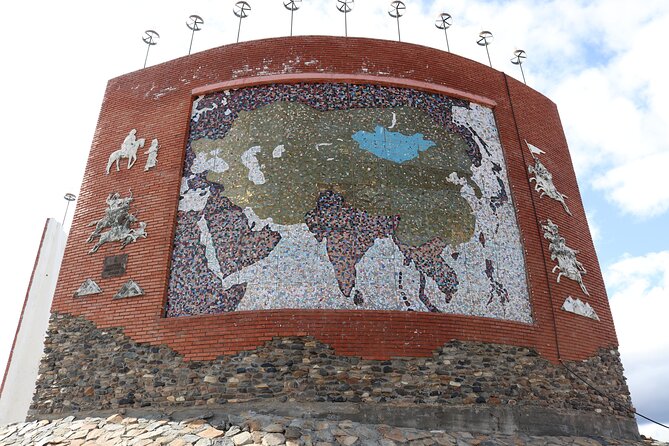
Karakorum was the capital of the Great Mongolian Empire in the 13th century. Its importance comes from the role it played during the era of Chinggis Khan and his successors. Today, the site is less about grand intact buildings and more about understanding how power, trade, and administration once centered here.
That distinction matters. If you expect a complete medieval city, you may find the ruins modest. If you enjoy connecting a quiet site with a huge historical story, the stop works much better. Your guide can help turn scattered remains and monuments into a picture of the capital that once directed a vast empire.
The stop is listed at about five hours, making it the main focus of the first day. Bring patience for the drive and keep your expectations realistic. This is a broad historical site, not a compact old town filled with preserved streets.
Erdene Zuu and Mongolia’s Buddhist story
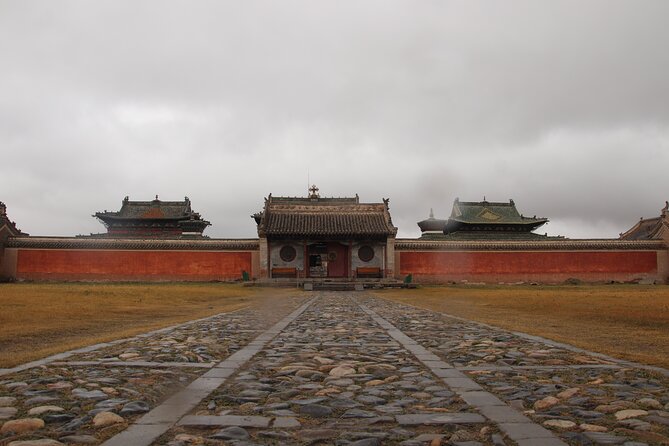
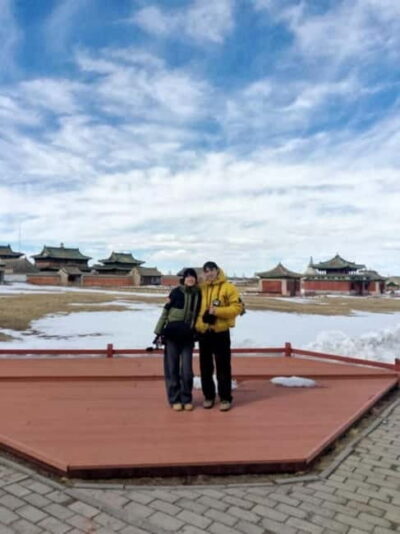
Erdene Zuu Monastery is one of the essential stops in central Mongolia. Founded in 1586, it is regarded as the oldest surviving Buddhist monastery in the country. The complex was built after Karakorum had been destroyed by Ming forces in 1388 and never rebuilt as the imperial capital.
You have about an hour here, enough for an important introduction but not a slow, highly detailed study of every part of the complex. The monastery gives you a useful counterpoint to Karakorum. One stop recalls the Mongol Empire, while the next shows Mongolia’s later Buddhist identity.
The visit is especially valuable for first-time visitors because it places the region’s history in sequence. The capital came first, then the monastery helped preserve the importance of the area in a different religious and cultural setting.
Admission is included. Dress and behavior should be respectful at a religious site, and you should follow your guide’s instructions about where photography is suitable.
The Kharakhorum Museum fills in the missing pieces
The Kharakhorum Museum provides another hour of context. Opened in 2011 with assistance from the Japan International Cooperation Agency, it focuses on the former capital and the Mongol Empire.
I like the museum’s role in the route because the archaeological remains alone cannot explain everything. Museum displays can show how Karakorum fit into the wider story and help you understand what you have seen outdoors.
The museum is also useful if the weather turns unpleasant. After hours on the road and time outside, an indoor stop gives the day some balance. Admission is included, and the visit is long enough to add substance without taking over the entire afternoon.
By the end of Day 1, you have covered a lot: the old capital, a major monastery, and a museum devoted to the same area. The tradeoff is that history takes priority over leisurely wandering.
More of Kharkhorin and the old capital:
- Semi-Gobi and Kharkhorum overnight private trip
★ 5.0 · 14 reviews - Kharkhorum, Semi-Gobi 2 days 1 night private trip
★ 5.0 · 4 reviews - Mini Gobi and the ancient capital Kharkhorin – 4 days
★ 5.0 · 3 reviews - From UB: 2 Days Private Tour to Kharkhorin and Mini Semi Gobi
★ 5.0 · 2 reviews
Day 2: Sand, mountains, and a nomadic household
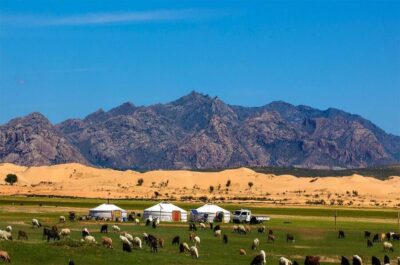
Day 2 takes you to Elsen Tasarkhai, also known as the Mongol Els sand dunes. The area is often called Mini Gobi because it gives you a taste of desert scenery without requiring a long journey into Mongolia’s southern Gobi region.
This is not simply a quick stop for a dune photograph. The day is scheduled for about eight hours, and the area combines sand, pasture, mountains, and fertile ground. That contrast makes Elsen Tasarkhai more interesting than a single stretch of sand. You can see how quickly the scenery changes in central Mongolia.
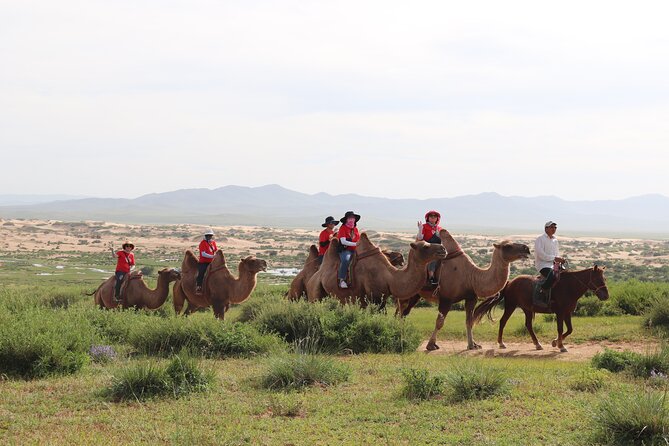
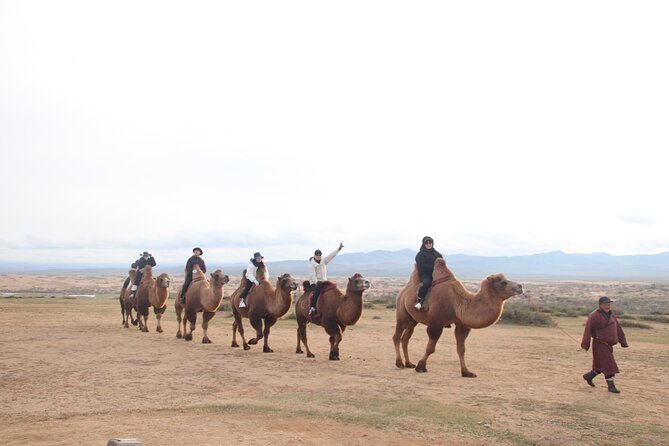
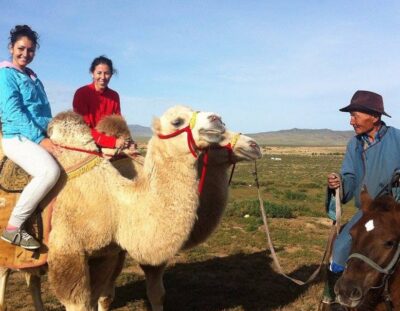
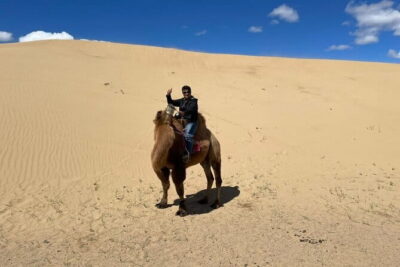
The tour includes time with a local camel-herding family and opportunities for camel and horse riding. Exact riding times are not specified, so ask how long each activity lasts and how it is arranged. The experience is likely to feel more personal than a large camp operation because the tour is private and the visit centers on a local household.
For riding, wear practical clothing and shoes that can handle sand. You should also expect the activity to depend on local conditions and the animals’ routine. This is a rural experience, not an amusement-park ride with a fixed timetable.
A real look at everyday nomadic work
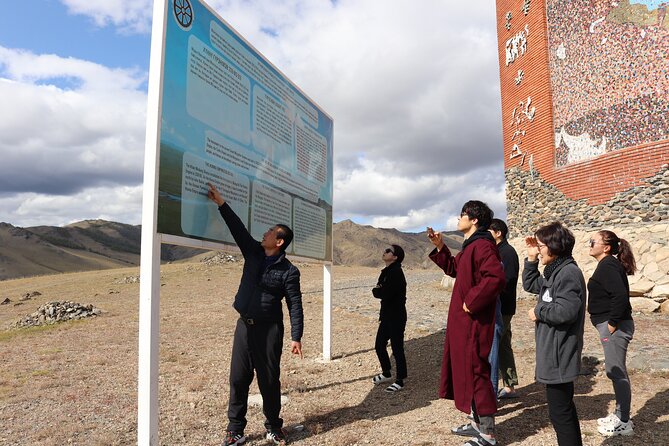
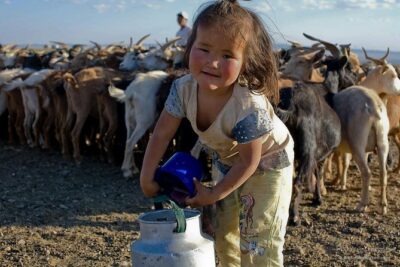
The family visit is the part of the tour that gives the trip its strongest sense of place. You may take part in daily chores, learn how to milk livestock, and see how a horse-breeding or camel-herding household organizes its day.
These tasks matter because they shift you from watching Mongolia to taking part in a small piece of its working life. Milking an animal or helping with a household chore is simple, but it tells you more about rural routines than another roadside photo stop.
You can also play traditional ankle bone games. These games use small animal bones and are part of Mongolia’s long-standing recreational culture. They offer an easy way to spend time with the family without needing a shared language or a formal presentation.
In the evening, you may join the hostess in preparing Mongolian barbecue. This is one of the more memorable details of the route because food preparation becomes a shared activity rather than a meal delivered to you. The experience is tied to the household, so the exact menu and format may vary.
An off-season visit deserves special thought. A previous April trip had fewer tourist camp options around Mini Gobi, but the time with a nomadic family remained a beautiful part of the journey. That is useful advice: if you care more about a genuine household visit than polished camp facilities, a quieter season may suit you.
Khugnu Khan and the remains of Erdene Khamba Khiid
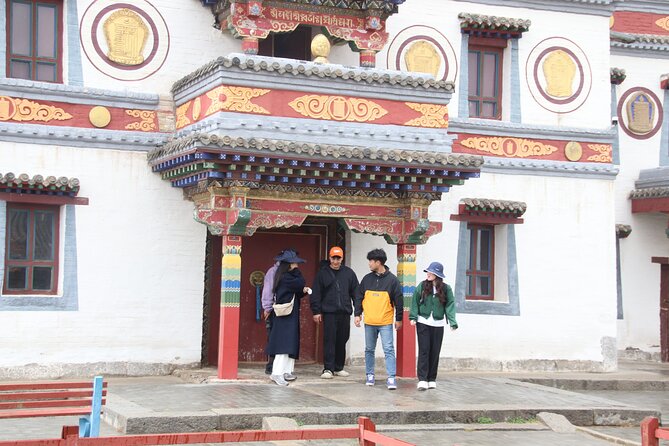
The route also includes Khugnu Tarniin Khiid in the Khugnu Khan Mountain area. The ruins of Erdene Khamba Khiid can still be found here, linking the mountain region to Mongolia’s Buddhist past.
The setting is one of the tour’s strongest visual changes. Mountains, steppe, pasture, and desert-like sand all meet in the same broad area. You get a sense of how varied central Mongolia can be without traveling to separate corners of the country.
The stop lasts about an hour and admission is free. It is a good companion to Erdene Zuu because it shows a more remote religious site, where ruins and surroundings carry much of the meaning. Do not expect a large, fully restored complex. The appeal is the combination of history and quiet surroundings.
Day 3: Sunrise over the Mini Gobi
The final morning begins with the option to welcome sunrise among the dunes. If the weather cooperates, this is likely to be the calmest moment of the trip. Sand walking and sliding give you a simple way to enjoy the area before the return journey.
After breakfast, you have a leisurely morning in the Semi Gobi area. You can discuss your plans with the guide, which is helpful on a private tour. The available time can be shaped around walking, relaxing, or enjoying one last look at the dunes.
The final stop is listed as Ulaanbaatar, with about five hours set aside for the return. That makes the morning important. You should not treat it as wasted time, since the drive back will take up much of the day.
The third day is less structured than the first two, which can be welcome. After the concentrated history stops and the full family visit, a slower morning lets you enjoy the setting without another packed schedule.
What the private format changes
Only your group takes part in this activity. That can make a real difference in Mongolia, where long drives and changing road conditions reward flexibility. You can ask questions as they arise, discuss the morning schedule, and shape the pace with your guide.
Pickup is offered from your designated hotel or the airport. Confirmation is provided at booking, and the tour is near public transportation. Most people can participate, but the combination of long drives, sand walking, and riding means you should be comfortable with an active rural itinerary.
The private format does not erase the basic limits of a three-day trip. You still cover substantial distances, and you cannot turn every stop into a full-day visit. What it does provide is a more personal way to manage the route.
The $750 question
At $750 per person, this experience makes the most sense for someone with limited time in Mongolia who wants a guided route rather than independent planning. The cost brings together a driver, guide, pickup, historical sites, family activities, and a private group arrangement.
The value is strongest if you would otherwise need to organize separate transport to Karakorum, Erdene Zuu, Khugnu Khan, and Elsen Tasarkhai. The tour also gives you access to a nomadic household and hands-on activities that are harder to arrange casually.
The value is weaker if you want long, quiet stays in one place or prefer budget travel. Three days is enough for an introduction, but not enough to explore central Mongolia slowly. Also confirm accommodation, meals, and riding details before booking, since those points are not fully specified.
Who should book this Mongolia trip?
I would recommend it to first-time visitors with a short stay in Ulaanbaatar, history fans, and anyone who wants to combine ancient sites with present-day rural life. Families and private groups may also appreciate having the schedule handled for them.
It suits people who are happy to spend hours on the road in exchange for wide-open scenery and a varied route. You should be ready for basic conditions, changing weather, and a day that may not run with city-tour precision.
I would hesitate to recommend it to anyone seeking luxury, a slow pace, or a highly polished camp experience in the off-season. If your priority is comfort over cultural contact, ask detailed questions before committing.
For the right visitor, this is a compact and worthwhile introduction to Mongolia’s central region. You get imperial history, Buddhist monuments, sand dunes, animal rides, and a rare chance to share ordinary tasks with a nomadic family. The trip asks for time in the vehicle, but it gives you a much broader picture of Mongolia than a short city excursion.
FAQ
Where does the tour begin?
The tour begins in Ulaanbaatar, with pickup offered from your designated hotel or the airport.
How long is the tour?
The tour lasts approximately three days.
Is this a private tour?
Yes. Only your group participates in the activity.
What is the price?
The listed price is $750 per person.
Does the tour include horse and camel riding?
The experience includes opportunities to ride horses and camels in the Mini Gobi area. The exact duration of each ride is not specified.
How much time is spent traveling to Karakorum?
The first journey toward Kharkhorin takes about five hours.
Is admission to Erdene Zuu Monastery included?
Yes. Admission to Erdene Zuu Monastery is included.
Is admission to the Kharakhorum Museum included?
Yes. Admission to the Kharakhorum Museum is included.
What can you do with the nomadic family?
You can take part in daily chores, learn to milk livestock, play traditional ankle bone games, and help prepare Mongolian barbecue with the hostess.
Can the tour be canceled because of weather?
Yes. The experience requires good weather. If poor weather causes cancellation, you will be offered a different date or a full refund. For a full refund under the standard cancellation policy, cancellation must be made at least three full days before the start time.
More Camel Riding in Ulaanbaatar
- From Ulaanbaatar: Genghis Khan Statue NationalPark CamelRide
★ 4.8 · 353 reviews - Genghis Khan Statue Day Tour+National Park+Camel Ride+Eagle
★ 4.5 · 261 reviews - 1 Day Coach Tour of Terelj National Park Including Lunch And Free Camel Ride
★ 4.5 · 10 reviews - 1 Day Semi-Gobi Tour with Lunch And Enjoying Camel or Horseback
★ 5.0 · 9 reviews
More Riding and Horse Trekking in Ulaanbaatar
- Horseback Riding Tour to Turtle Rock & Aryabal
★ 5.0 · 54 reviews - Terelj National Park: Tour with horse riding and hiking
★ 5.0 · 46 reviews - MONGOLIAN NOMADS: 2-Day Horse Trekking & Cow Milking Tour
★ 4.8 · 23 reviews - Horse riding in Terelj National Park
★ 5.0 · 14 reviews
Just added in Ulaanbaatar
- 7 Day White stupa Gobi Orkhon valley Central Mongolia★ 5.0 · 1 review
- Ulaanbaatar: Mongolian Bökh Wrestling Tournament Experience★ 5.0 · 1 review
- Ulaanbaatar Signature Tour – Mongolia’s Capital in One Day★ 4.3 · 3 reviews
- Ulaanbaatar: Chinggis Khaan Museum Highlights Private Tour★ 5.0 · 2 reviews
- Ulaanbaatar: Chinggis Khaan Equestrian Statue – Terelj NP★ 5.0 · 1 review
- UB Walk: Discover a Side of Ulaanbaatar Most Travelers Miss★ 5.0 · 2 reviews
- Ulaanbaatar: 4-Day Central Mongolia Winter Tour★ 5.0 · 3 reviews
- Private Transfer between New Ulaanbaatar International Airport and Ulaanbaatar★ 5.0 · 4 reviews
Gobi Desert Tours, compared.
Semi-Gobi and Kharkhorum overnight private trip
Read our review →
Travel to Gobi by train Visit World energy Center
Read our review →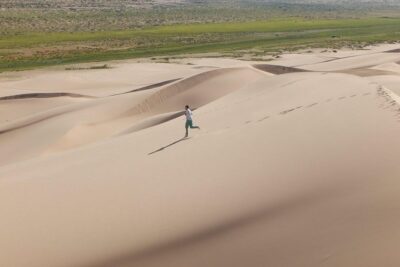
1 Day Semi-Gobi Tour with Lunch And Enjoying Camel or Horseback
Read our review →Browse the lists this tour appears in