
REVIEW · GOBI DESERT TOURS
Travel to Gobi by train Visit World energy Center
The Gobi begins after dark. This 40-hour trip from Ulaanbaatar to Sainshand combines an overnight sleeping train with a full day of sacred sites, desert culture, and local history in Dornogovi. I like the unusual rail journey and the chance to visit Khamriin Khiid, widely known as Mongolia’s World Energy Center.
I also like the small-group format, with no more than 10 people, and the chance to travel with guides such as Taisun or Usukhbayar. Their strong English and knowledge of Mongolian tradition add real value. The main drawback is the tight schedule: you arrive at 7:00 in the morning, spend the day touring, then take the evening train back.
In This Review
- Key points to know before booking
- Why this train trip feels different from a standard Gobi excursion
- Sainshand at 7:00: a quick start in Dornogovi
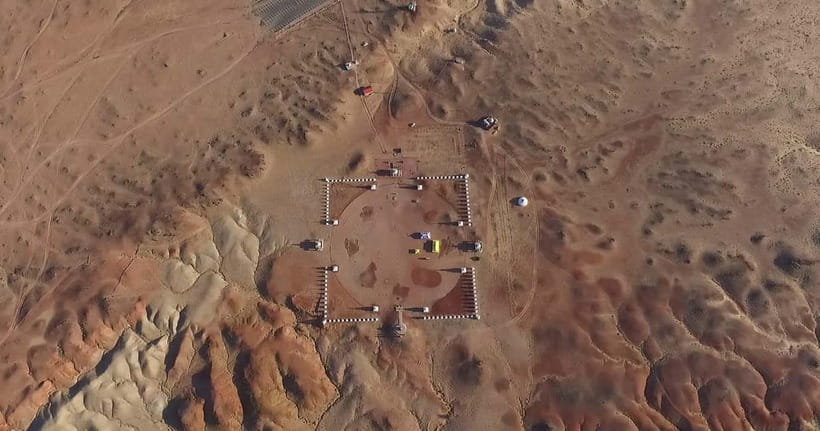
- Khamriin Khiid and the World Energy Center
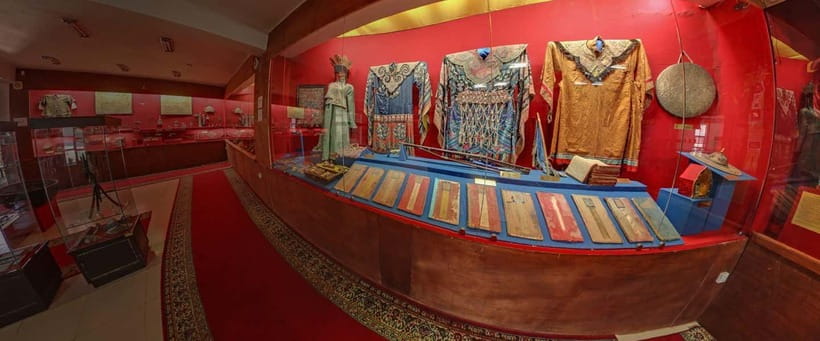
- Danzanravjaa Museum: the cultural stop that adds context
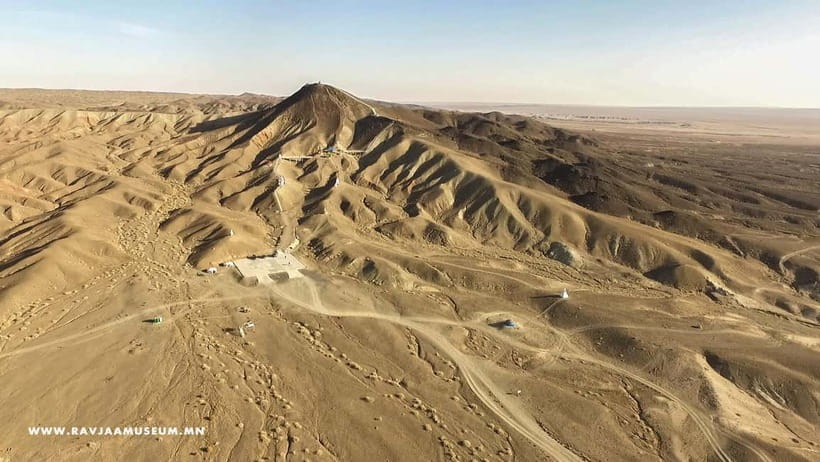
- Bayanzurkh Mountain and the Shambala stupa
- A small group and guides who shape the day
- Is $310 a fair price?
- Who will enjoy this 40-hour experience?
- What to pack for the train and day tour
- Should you book the Sainshand Gobi train trip?
- FAQ
- How long does the Gobi train tour last?
- What time does the train leave Ulaanbaatar?
- What time does the train arrive in Sainshand?
- What time does the train return to Ulaanbaatar?
- What places are included during the Sainshand day tour?
- Are meals included?
- What languages are available for the guide?
- What information is needed to reserve a place?
Key points to know before booking
- The overnight train is part of the experience: You leave Ulaanbaatar at 20:50 and reach Sainshand at about 7:00 the next morning.
- Khamriin Khiid is the central stop: This Buddhist site is associated with Danzanravjaa and the belief that the area restores or balances personal energy.
- You get a full day in Dornogovi: The program includes Sainshand viewpoints, the monastery, a museum, Bayanzurkh Mountain, and a Shambala stupa.
- Meals and transport are covered: Breakfast, lunch, dinner, water, entrance fees, the driver, guide, and both train tickets are included.
- The group stays small: A maximum of 10 people makes it easier to ask questions and keep the day moving.
- The pace is demanding: The early arrival and late return suit active adults who can manage a long rail day.
Why this train trip feels different from a standard Gobi excursion
Many Gobi tours start with a road transfer. This one begins on the railway, and that changes the mood right away. You board the sleeping train in Ulaanbaatar at 20:50, settle in for the night, and wake in Sainshand Province rather than spending the first hours in a vehicle.
I like this setup because the train is not just a way to reach the destination. It gives you a look at how long-distance travel works in Mongolia and makes the journey itself part of the story. You should still expect a basic rail experience rather than a luxury one. The supplied details confirm a sleeping train, but they do not specify the exact berth arrangement or cabin type, so ask for those details before paying if comfort matters to you.
The timing is efficient but not gentle. You arrive around 7:00, have breakfast near the main square, and then begin sightseeing. After the day’s visits, you return to the station, eat dinner, and board the 20:50 train back to Ulaanbaatar, arriving at about 7:00 the following morning.
That means the advertised 40 hours includes two overnight train journeys and one packed day on the ground. I would not choose this trip if you want a slow desert stay or several nights in a remote camp. I would choose it if you want to see Sainshand without arranging rail tickets, a driver, meals, and entry fees on your own.
More of the Gobi:
- From Ulaanbaatar: Semi Gobi and Ancient Kharkhorin Tour
★ 4.5 · 114 reviews - Ulaanbaatar: Semi-Gobi Desert Day Trip & Camel Ride
★ 4.0 · 92 reviews - 1 Day Semi-Gobi All-included tour
★ 4.0 · 69 reviews
Sainshand at 7:00: a quick start in Dornogovi
The driver meets you after the train arrives. The morning begins with a high point around Sainshand, giving you a broad view of the city and nearby area before breakfast.
This first stop is useful because it helps you understand the setting before visiting the religious sites. Sainshand is the provincial center, and the view gives you a quick sense of the open Dornogovi region. The program does not provide the name or exact height of this viewpoint, so do not expect a long hike or a formal mountain excursion. Think of it as an orientation stop and a chance to stretch after the train ride.
Breakfast is served near the main square. That location matters after an overnight journey. You are not expected to wait until midday for your first proper meal, and you have a chance to get settled before the drive to Khamriin Khiid.
The early hour is also the first practical test of the tour. Bring a change of clothes and keep your phone charged, as suggested. A small amount of cash is useful for personal purchases, and your own snacks can help if you are hungry between the included meals.
Khamriin Khiid and the World Energy Center
Khamriin Khiid is the heart of the excursion. The site is known as a World Energy Center, and many people visit because they believe the area can cover or restore the body’s energy.
That belief is part of the place’s cultural importance, even if you approach it as a nonreligious visitor. I would treat the visit with respect and curiosity rather than expecting a scientific claim to be proven. The value comes from seeing how spirituality, pilgrimage, and local identity meet in one place.
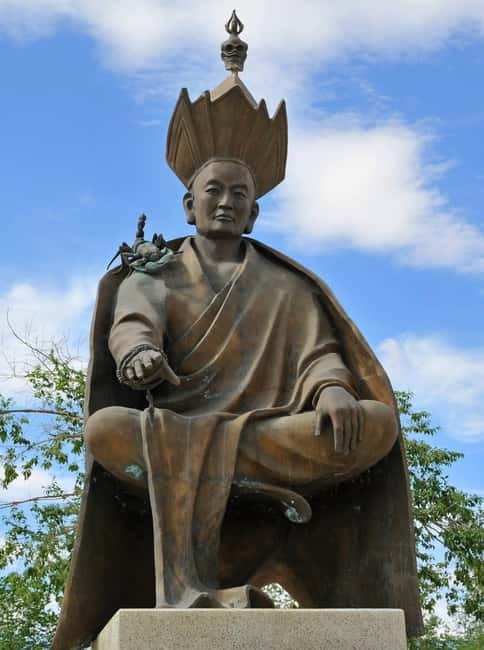
Khamriin Khiid is also connected with Danzanravjaa, the Mongolian teacher and writer who lived from 1803 to 1856. The monastery was an important center of the Buddhist Red Sect. That background gives the site more weight than a quick photo stop. Your guide can help connect the physical places you see with Danzanravjaa’s role in Mongolian religious and cultural life.
The supplied program calls the site both Khamriin Khiid and Khamariin Monastery. You may see either spelling used when searching for information or discussing the day with your guide.
Give yourself time to look closely. The important part is not simply ticking off a monastery. It is understanding why people come here, what Danzanravjaa represents, and how the site continues to function as a place of spiritual meaning.
Danzanravjaa Museum: the cultural stop that adds context
The Danzanravjaa Museum follows naturally after the monastery. Without the museum, Khamriin Khiid could remain an attractive but slightly mysterious stop. The museum gives the day a clearer historical frame.
Danzanravjaa is remembered as a teacher and writer, and his connection to the monastery makes the museum especially relevant. This is where the tour moves beyond scenery and religious symbolism into cultural history. I value that balance. You are not only taken to a sacred mountain or a stupa; you also get a chance to learn about the person tied to the area.
The exact museum collection and visiting time are not specified, so the guide’s explanation will be important. Taisun has been praised for excellent English and strong historical knowledge, while Usukhbayar has been praised for explaining Mongolian tradition and history in a comfortable, approachable way. If one of these guides leads your group, ask questions rather than simply following the route.
A local lunch is included after the museum visit. One point to note: the meal location may not suit everyone. Stephanie specifically wished for a different lunch venue. That does not mean the food is poor, but it is a useful reminder that this is a practical day tour, not a restaurant-focused food experience.
A completely different kind of day out:
- From Ulaanbaatar: Genghis Khan Statue NationalPark CamelRide
★ 4.8 · 353 reviews - Genghis Khan Statue Day Tour+National Park+Camel Ride+Eagle
★ 4.5 · 261 reviews - From Ulaanbaatar: Central Mongolia Guided 3-Day Tour
★ 4.6 · 186 reviews - Ulaanbaatar: Small Group 3-Day Best of Central Mongolia Tour
★ 4.1 · 171 reviews
Bayanzurkh Mountain and the Shambala stupa
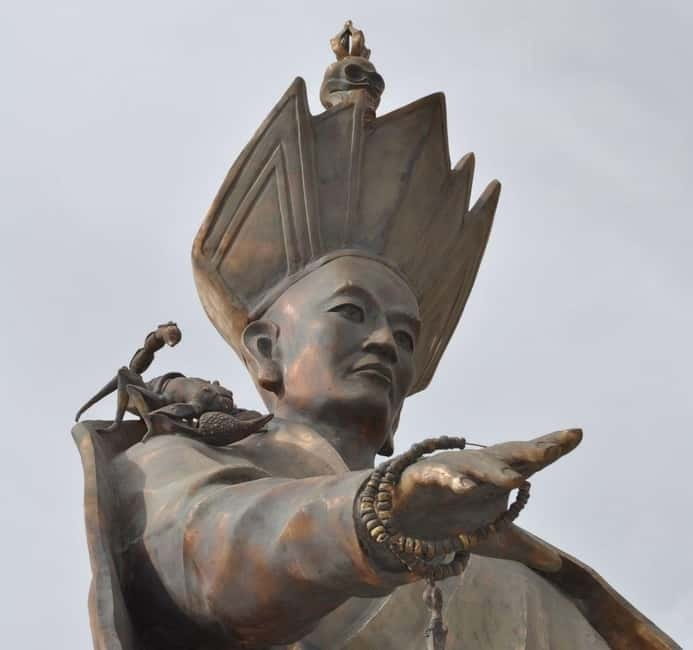
The afternoon includes Bayanzurkh Mountain, described as a sacred mountain, followed by a visit to a Shambala stupa. These stops continue the religious character of the day but offer a change from the monastery and museum.
Bayanzurkh is a good place to slow down and take in the setting. The program does not give details about the walking distance, so ask your guide how much time you will spend on foot. You should bring practical clothing, comfortable shoes, and a camera. A charged smartphone is also recommended.
The Shambala stupa gives the day another strong visual and spiritual marker. Its meaning is connected with the wider idea of Shambala, a sacred Buddhist realm. The available information does not specify the exact design, number of stupas, or rituals involved, so you should let the guide explain what you are seeing rather than relying on assumptions.
These stops are best approached with an open mind. You do not need to share every belief connected with the sites to appreciate their place in Mongolian culture. The day works well for anyone interested in sacred geography, Buddhist traditions, local history, and the way modern visitors seek spiritual renewal.
A small group and guides who shape the day
With a limit of 10 participants, the group is small enough for direct conversation. That matters on a compact schedule. You can ask for clarification at the monastery, museum, or sacred mountain without trying to attract the attention of a large coach group.
The guide language options are English, Japanese, Korean, and Russian. If you need a particular language, confirm availability when booking, since the experience may not offer every language on every departure.
The guide can make or break a day built around history and belief. Taisun has received especially strong praise for excellent English, while Usukhbayar has been described as friendly and easy to travel with, with a strong grasp of Mongolian history and tradition. Another guide, noted for English and Russian, has also received high marks for language ability.
The driver matters too. You spend part of the day on the road between Sainshand and the sites, and the driver handles the local transfers while the guide handles interpretation. The arrangement keeps you from having to navigate unfamiliar roads or coordinate several separate bookings.
Is $310 a fair price?
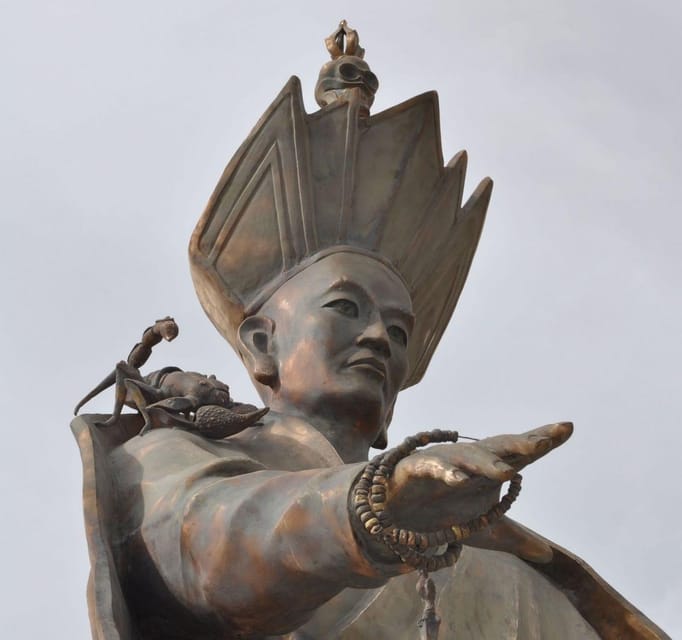
At $310 per person, this is not the cheapest way to see a small part of the Gobi. It is a fairer comparison to price the whole package rather than just the sightseeing.
The fee includes:
- Two-way train tickets
- Local transport
- An English, Japanese, Korean, or Russian-speaking guide
- Entrance fees
- Breakfast
- Lunch
- Dinner
- Drinking water
You also receive pickup from your stated hotel or location, with the driver meeting you according to the arrangements provided before departure. Buying all these pieces separately would take more planning, especially the rail tickets and the Sainshand driver.
The value is strongest if you are already in Ulaanbaatar and want a short Gobi experience without booking a longer road trip. The price is less attractive if your main goal is a quiet desert stay, extensive nature viewing, or several days away from the city. This tour gives you cultural and spiritual sites around Sainshand, not a broad crossing of the Gobi.
I would also factor in the cost of your own snacks and personal purchases. Alcohol is not included and is not allowed. Insurance is also your responsibility.
Who will enjoy this 40-hour experience?
I would recommend this trip to you if you:
- Want to ride a Mongolian sleeping train
- Have limited time but still want to reach Dornogovi
- Prefer cultural and religious sites over a long list of outdoor activities
- Like small groups and direct access to a guide
- Are comfortable with an early morning arrival and a full day of sightseeing
- Want transport, meals, entry fees, and train tickets handled together
It is also a good choice for families with older children and adults interested in Mongolian history. One parent traveling with a daughter found the train journey and Sainshand visits especially enjoyable, with the guide adding to the experience.
I would hesitate to recommend it to anyone who needs a relaxed pace, dislikes overnight trains, or wants plenty of free time. The schedule gives you a lot in one day, but it leaves little room for lingering. Babies under one year old are not considered suitable, and the stated upper age limit is 95.
What to pack for the train and day tour
Keep your essentials with you rather than buried in luggage. The useful basics are simple:
- A change of clothes
- A camera
- Cash
- A charged smartphone
- Personal snacks
- Any required medication
- A passport and the personal details needed for the train reservation
The operator asks for your pickup address, hotel name or location, passport number, full name, and date of birth. These details are needed to arrange the train tickets, so provide them accurately and early.
You should also confirm the train sleeping arrangement, the exact lunch location, and the day’s walking requirements. Those details are not fully specified, and they can affect your comfort more than the headline attractions.
Cancellation is flexible: you can cancel up to 24 hours before departure for a full refund. You can also reserve now and pay later, which is helpful if your Mongolia plans are still shifting.
Should you book the Sainshand Gobi train trip?
Book it if you want a compact, well-organized introduction to Dornogovi built around rail travel, Buddhist culture, Danzanravjaa, and sacred places. The strongest reasons are the unusual overnight train, the small group, and the guide support at Khamriin Khiid and the museum.
Skip it if you want a broad Gobi expedition or a leisurely desert retreat. This is a concentrated 40-hour outing with an early start, a full sightseeing day, and another overnight train at the end.
For the right person, $310 buys more than transport to Sainshand. It buys a clear route through one of Mongolia’s important spiritual areas, with the practical work handled for you. Just pack lightly, sleep when you can, and be ready for a long but rewarding day.
FAQ
How long does the Gobi train tour last?
The experience lasts 40 hours. It includes the overnight train from Ulaanbaatar to Sainshand, a full day of sightseeing, and the overnight train back to Ulaanbaatar.
What time does the train leave Ulaanbaatar?
The sleeping train to Sainshand leaves at 20:50.
What time does the train arrive in Sainshand?
Arrival is scheduled for about 7:00 in the morning.
What time does the train return to Ulaanbaatar?
After the day tour, dinner, and the return to the station, the train leaves Sainshand at 20:50 and arrives in Ulaanbaatar at about 7:00 the next morning.
What places are included during the Sainshand day tour?
The program includes a Sainshand viewpoint, Khamriin Khiid, the Danzanravjaa Museum, Bayanzurkh sacred mountain, and a Shambala stupa.
Are meals included?
Yes. Breakfast, lunch, dinner, and drinking water are included.
What languages are available for the guide?
The stated guide languages are English, Japanese, Korean, and Russian.
What information is needed to reserve a place?
You need to provide your pickup address or hotel location, passport number, full name, and date of birth.
Just added in Ulaanbaatar
- 7 Day White stupa Gobi Orkhon valley Central Mongolia★ 5.0 · 1 review
- Ulaanbaatar Signature Tour – Mongolia’s Capital in One Day★ 4.3 · 3 reviews
- Ulaanbaatar: Mongolian Bökh Wrestling Tournament Experience★ 5.0 · 1 review
- Ulaanbaatar: Chinggis Khaan Museum Highlights Private Tour★ 5.0 · 2 reviews
- Ulaanbaatar: Chinggis Khaan Equestrian Statue – Terelj NP★ 5.0 · 1 review
- UB Walk: Discover a Side of Ulaanbaatar Most Travelers Miss★ 5.0 · 2 reviews
- Ulaanbaatar: 4-Day Central Mongolia Winter Tour★ 5.0 · 3 reviews
- 6 Days Private Tour in Gobi Desert★ 5.0 · 1 review
Gobi Desert Tours, compared.

Semi-Gobi and Kharkhorum overnight private trip
Read our review →
1 Day Semi-Gobi Tour with Lunch And Enjoying Camel or Horseback
Read our review →
Browse the lists this tour appears in