
REVIEW · GOBI DESERT TOURS
7 days Central Mongolia and Great Gobi
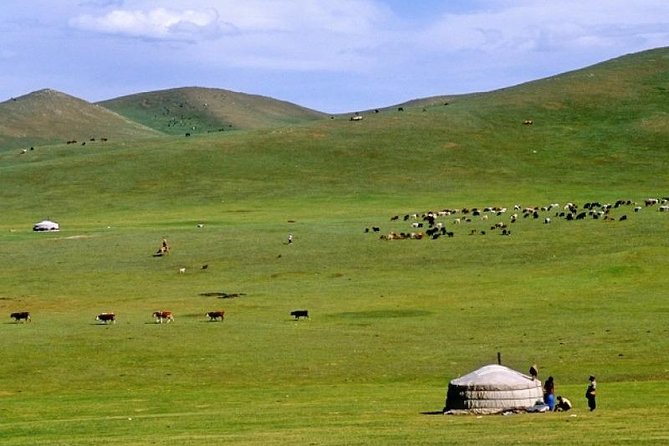
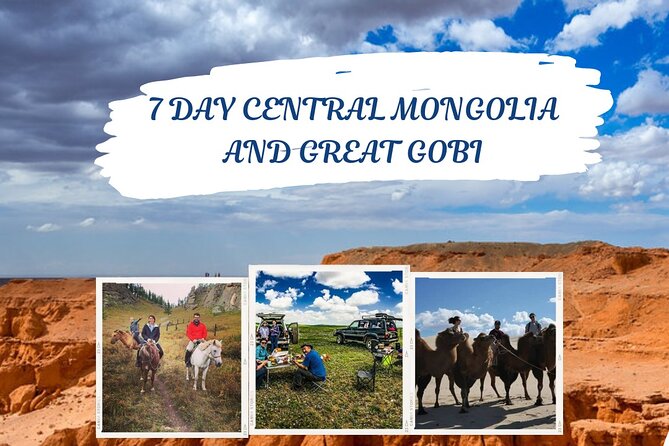
The desert is only half the story. This seven-day private journey links the Gobi with central Mongolia, moving from wind-carved cliffs and monastery ruins to ancient Kharkhorin, grassland, waterfalls, and camel country. I especially like the private format, which gives your group a more personal pace, and the mix of family yurts, tourist camps, and ger hostels, which keeps the trip close to local life. The main drawback is the amount of time spent on the road, with long distances between many stops.
You get round-trip transfers from Ulaanbaatar, accommodation, seven lunches, six breakfasts, and five dinners for $1,500 per person. That is a serious outlay, but it covers a great deal across a full week. I would treat this as an active overland trip rather than a relaxed resort holiday, and pack warm layers, sturdy shoes, and patience for changing road conditions.
In This Review
- Key things to know before booking
- What $1,500 covers across seven days
- Day 1: Baga Gazriin Chuluu and the first taste of Mongolia
- Day 2: Tsagaan Suvarga’s White Stupas
- Day 3: Ongi Monastery and the road through Middle Gobi
- Day 4: Kharkhorin, the former imperial capital
- Day 5: Orkhon Waterfall and a greener change of scenery
- Days 6 and 7: Elsen Tasarkhai, camels, and Hugnu Khan
- Food, lodging, and daily comfort
- The private format and guide support
- Who should book this seven-day route?
- Should you book the Central Mongolia and Great Gobi tour?
- FAQ
- How long is the tour?
- Where does the tour begin?
- What time does the tour start?
- Is hotel pickup available?
- Is this a private tour?
- Which meals are included?
- Is accommodation included?
- Is camel riding included?
Key things to know before booking
- Baga Gazriin Chuluu opens the trip with caves, petroglyphs, burial mounds, and monastery ruins.
- Tsagaan Suvarga offers some of the most striking rock scenery on the route.
- Ongi Monastery adds a quiet spiritual stop among the long Gobi drives.
- Kharkhorin connects the desert route with the former capital of the Mongol Empire.
- Orkhon Waterfall brings a sharp change of scenery, with river country and open countryside.
- Elsen Tasarkhai includes camel trekking and a visit to a monastery in Hugnu Khan National Park.
What $1,500 covers across seven days
At $1,500 per person, this is not a budget hop between a few nearby sights. You are paying for a private seven-day route from Ulaanbaatar, accommodation each night, round-trip transfers, and nearly all main meals.
The meal plan includes seven lunches, six breakfasts, and five dinners. That means some evening meals are not included, so you should budget for personal snacks, fruit, drinks, and any meals outside the supplied plan. Alcohol, travel insurance, tips, optional activities, and bicycle use also cost extra.
The value rests mainly in the distance covered. In one week, you reach the southern Gobi, central Mongolia, Kharkhorin, Orkhon Waterfall, Ugii Lake country, and Hustai National Park. The schedule also includes cultural sites and outdoor activities rather than only scenic roadside stops.
I like that accommodation is not limited to standard tourist camps. Family yurts and local ger hostels can give you a better sense of daily life in Mongolia. Comfort may vary, though, so do not book this expecting hotel facilities every night. The information provided does not specify bathroom arrangements, heating, or bed types at each stop.
The private setup matters here. Your group is the only group taking part, so you avoid being tied to strangers and may have a more flexible experience. It also suits solo visitors who prefer company and support without joining a large departure.
More of the Gobi:
- From Ulaanbaatar: Semi Gobi and Ancient Kharkhorin Tour
★ 4.5 · 114 reviews - Ulaanbaatar: Semi-Gobi Desert Day Trip & Camel Ride
★ 4.0 · 92 reviews - 1 Day Semi-Gobi All-included tour
★ 4.0 · 69 reviews
Day 1: Baga Gazriin Chuluu and the first taste of Mongolia
The first major stop is Baga Gazriin Chuluu, a rocky area filled with more than a single photo viewpoint. You can see Bolort Cave, rock images, petroglyphs, burial mounds, and the remains of Choir Monastery.
The site also has an eye treatment spa, a detail that gives the visit a distinctly local character. The monastery was established by Zaya Damdin, described as an important figure in ancient Mongolian history. You should allow time to look closely rather than rushing from one rock formation to the next.
This opening day gives you a useful introduction to the range of the trip. You get geology, archaeology, religion, and local tradition in one place. Admission is included, so there is no extra entry charge for the main visit.
The day also includes a 40-minute stop at the Chinggis Khaan National Museum. The supplied details describe it as one of the biggest Chinggis Khaan statues in Mongolia, so it appears to be a brief cultural and photo stop rather than a long museum visit.
There is also a viewpoint for wide views over Ulaanbaatar. Since the tour begins from the city, the first day appears to combine an urban departure with the first major open-country stop. Start time is 8:30 a.m. at Danista Nomads on Orkhon Street, so plan to be ready early.
Day 2: Tsagaan Suvarga’s White Stupas
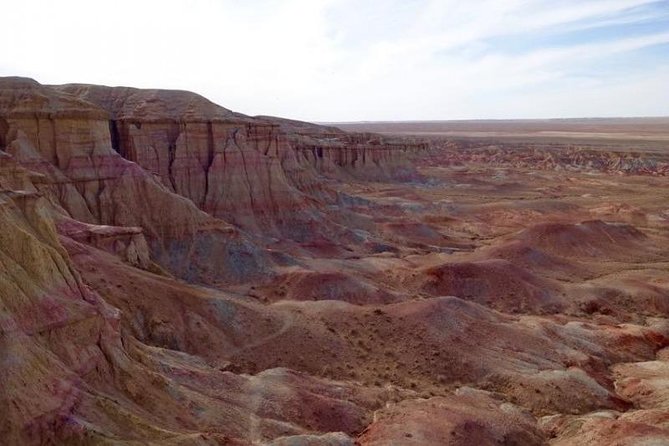
Tsagaan Suvarga, or White Stupa, is one of the visual highlights of the southern section. The name comes from the pale cliffs, which were shaped by natural erosion over a period described as roughly 10 million years.
The cliffs show layers formed at different times. That makes this more than a quick scenic stop. From different angles, the eroded rock can look like a line of pale buildings or ceremonial structures, even though the shapes are entirely natural.
Admission is free, but you should still consider the practical side of the visit. The route is built around large distances and open terrain, so weather can affect comfort. The tour requires good weather, and a poor forecast may lead to a new date or a full refund.
Tsagaan Suvarga is also a good place to appreciate the rhythm of this trip. Mongolia often rewards you with broad views rather than a packed schedule of indoor attractions. If you prefer constant activity, some stops may feel spare. If you enjoy space, unusual rock forms, and quiet, this day should suit you well.
Day 3: Ongi Monastery and the road through Middle Gobi
After lunch in the Bayanzag area, the route continues to Saikhan Ovoo, a small village in Middle Gobi Province. The main stop is Ongiin Khiid, also called the Ongi Monastery ruins.
This is an active small monastery with a temple, according to the supplied details. It offers a different experience from the older ruins at Baga Gazriin Chuluu. Here, the interest lies in the meeting of a surviving religious tradition and the remains of a larger past complex.
Ongi Monastery is a welcome change after the broad desert scenery. You can expect a quieter, more reflective visit rather than a long list of activities. It also breaks up one of the tour’s longer driving sections.
The route description refers to lunch in Bayanzag before continuing to Saikhan Ovoo. Since Bayanzag is named in the day’s details but not given a separate stop, you should confirm the exact timing and sightseeing plan with Danista Nomads before departure.
The trip’s accommodation may be in a family yurt, tourist camp, or local ger hostel. These stays are part of the appeal, but they also mean you should travel with realistic expectations. Pack personal toiletries and warm clothing, since facilities are not described in detail.
More multi-day trips across central Mongolia:
- From Ulaanbaatar: Central Mongolia Guided 3-Day Tour
★ 4.6 · 186 reviews - Ulaanbaatar: Small Group 3-Day Best of Central Mongolia Tour
★ 4.1 · 171 reviews - Central Mongolia Guided 3-Day Comfortable Tour
★ 4.5 · 37 reviews - 4 Day Best of Central Mongolia tour, Chinggis Khan statue
★ 4.8 · 21 reviews
Day 4: Kharkhorin, the former imperial capital
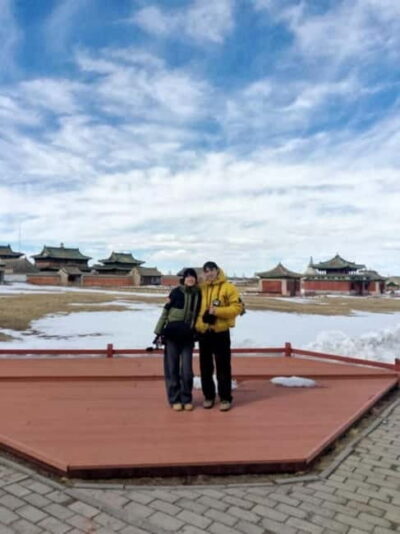
Kharkhorin, also written Kharakorum, connects the Gobi route with the center of Mongolian history. It was the capital of the Great Mongol Empire in the thirteenth century and sits on the right bank of the Orkhon River, about 360 kilometers southwest of Ulaanbaatar.
The setting gives the journey a new focus. Earlier days center on cliffs, desert scenery, and monastery remains. Kharkhorin brings the story of empire, movement, and political power into view.
The supplied information notes that the city was destroyed in 1380. That means you should picture Kharkhorin as an archaeological and historical site rather than a preserved medieval city. The appeal comes from understanding what once stood here and seeing how the area fits into the wider Orkhon Valley.
Admission is listed as free. The day is likely to appeal most to people who want historical context alongside scenery. If your main goal is desert activity, Kharkhorin may feel like a slower cultural day, but that pause helps give the route more depth.
Day 5: Orkhon Waterfall and a greener change of scenery
Orkhon Waterfall marks a clear shift in the trip. The Ulaan Tsutgalan River forms a waterfall about 10 meters wide and 20 meters high, close to the Orkhon River.
After several days focused on dry rock and desert, water and open countryside offer welcome variety. The waterfall is a popular destination, but its appeal is not limited to taking one photograph. The setting gives you a chance to walk around, enjoy the river country, and see a different side of Mongolia.
The waterfall stop is included, and the route information suggests a full day around the area. Bring practical footwear. The information does not state the exact walking distance or trail condition, so you should ask the operator what ground you will cover.
This is also one of the days when the accommodation style matters. Staying in a family yurt or local ger hostel near the countryside can make the visit feel connected to the area rather than like a quick bus stop. It may also mean fewer conveniences than you would find in Ulaanbaatar.
Days 6 and 7: Elsen Tasarkhai, camels, and Hugnu Khan
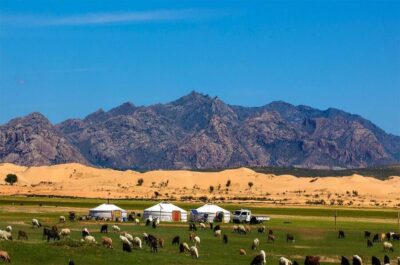
Elsen Tasarkhai is a smaller sand dune area surrounded by mountains. It is promoted as a place to get a taste of Mongolia’s desert scenery without the huge dune fields associated with the deeper Gobi.
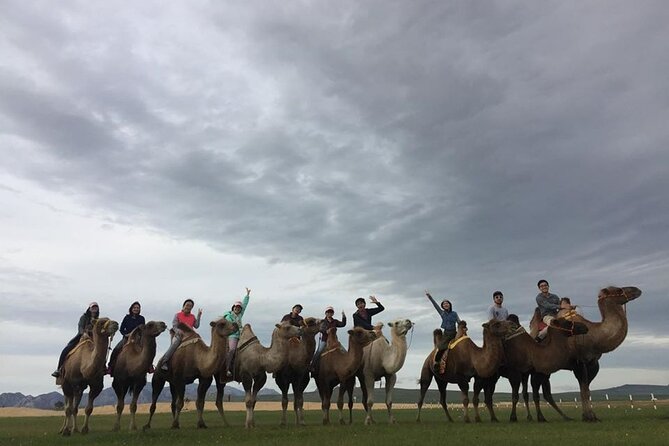
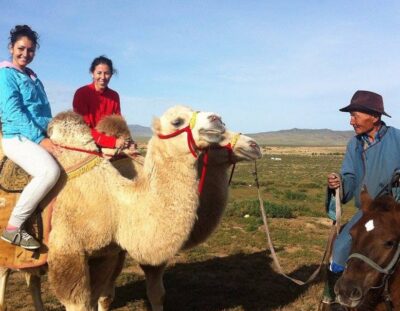
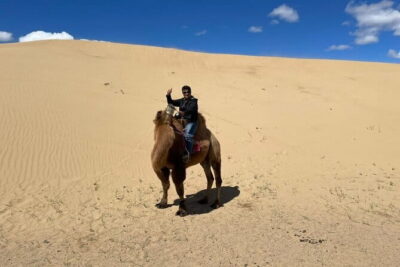
The contrast is the attraction. Sand, mountains, and open country appear together, making this a good place for photographs and a more manageable introduction to camel riding. The itinerary includes camel trekking, and one account also praised horse riding as part of the wider experience.
Day 6 introduces the area, while Day 7 begins with a stay at a local family’s home before a morning camel trek across the sand dunes. That overnight stay is one of the most personal parts of the route. It gives you a chance to experience a family-run setting instead of spending every night in a formal tourist camp.
You should remember that camel riding is an optional-style activity in practical terms, even if it is part of the planned experience. The package excludes optional activity costs in general, while the itinerary specifically includes camel trekking, so confirm exactly what is covered before you go.
The final cultural stop is a monastery in Hugnu Khan National Park. The visit adds a calm finish after the camel trek and links the natural setting with Mongolia’s Buddhist tradition.
The route also names Ugii Lake and Hustai National Park among its highlights, but the daily schedule supplied here does not assign them separate stops. Ask for the final route details if seeing either place is a priority. This is especially important because seven days is a tight schedule across such a large area.
Food, lodging, and daily comfort
The tour includes most meals, not every meal. Seven lunches are covered, along with six breakfasts and five dinners. You will still need money for snacks, fruit, drinks, and uncovered evening meals.
Food may be served at restaurants or at camps and family accommodations. The supplied comments praise the meals, with some lunches or dinners arranged in restaurants. Still, menus and meal times can vary during an overland trip, so carrying a few personal snacks is sensible.
Accommodation ranges from family yurts to tourist camps and ger hostels. This is a strong part of the trip for anyone who wants a closer connection to Mongolian living arrangements. It is less suitable if you need predictable hotel rooms every night.
One practical comment from the feedback is especially useful: dress for high-mountain conditions and use layers. Even in the Gobi, temperatures can change sharply. Sports clothing, sturdy shoes, and warm layers should be treated as basic equipment, not optional extras.
The private format and guide support
This is a private tour, so only your group takes part. That gives you privacy and may make the long driving days easier. A solo person can book it, but the price is listed per person and no shared-group arrangement is described, so ask how solo pricing works before paying.
The guide is described as fluent in English and Japanese. The guide also provides historical information and helps shape the week around the sights. No guide name is supplied, so you should not expect to choose a particular person.
The private format is most useful on a route like this because the distances are large and the stops vary widely. You may want more time at a monastery, less time at a viewpoint, or a clearer explanation of a historical site. A private departure gives you a better chance of discussing those preferences than a large scheduled group.
At the same time, private does not mean effortless. You will still spend substantial time traveling between areas. If you want a slow trip with long stays in each place, seven days across the Gobi and central Mongolia may feel rushed.
Who should book this seven-day route?
I would recommend it to you if you want a broad first visit to Mongolia and prefer having transport, accommodation, meals, and a guide arranged together. It works particularly well for solo visitors, couples, families, and small groups who value privacy.
You should also enjoy switching between different types of places. The week includes desert cliffs, caves, petroglyphs, monastery ruins, an imperial capital, a waterfall, sand dunes, camel trekking, and a family stay. That variety is the main reason the price can make sense.
I would hesitate if you dislike long road journeys, basic accommodation, changing weather, or open spaces with few facilities. It is also not the best match if you want to focus only on the deepest Gobi or only on central Mongolia. The route tries to cover both, so some time is spent connecting the major sights.
Booking is flexible up to 24 hours before the 8:30 a.m. start for a full refund. Changes or cancellations inside that window are not accepted, and bad weather may lead to a new date or a refund.
Should you book the Central Mongolia and Great Gobi tour?
Book it if you want one organized week that combines Mongolia’s desert, history, religious sites, countryside, and traditional accommodation. The private format, included meals, camel trek, and wide range of stops give you strong value for a demanding route.
Before booking, confirm the vehicle, bathroom arrangements, exact meal schedule, solo pricing, and whether Ugii Lake and Hustai National Park are included in your departure. If you are comfortable with long travel days and basic ger stays, this is a useful, full-bodied introduction to Mongolia. If you need comfort and a slow pace, choose a shorter route with fewer regions.
FAQ
How long is the tour?
The tour lasts approximately seven days.
Where does the tour begin?
It begins at Danista Nomads, Orkhon Street 1-37, BGD, 16 khoroo, Ulaanbaatar.
What time does the tour start?
The stated start time is 8:30 a.m.
Is hotel pickup available?
Pickup is offered, and the tour also provides round-trip transfers from Ulaanbaatar.
Is this a private tour?
Yes. Only your group participates in the private activity.
Which meals are included?
The package includes seven lunches, six breakfasts, and five dinners.
Is accommodation included?
Yes. Accommodation is included, with stays described as family yurts, tourist camps, or local ger hostels.
Is camel riding included?
The itinerary includes camel trekking at Elsen Tasarkhai. The tour information also lists optional activity costs separately, so confirm the exact inclusions with the operator before booking.
Just added in Ulaanbaatar
- 7 Day White stupa Gobi Orkhon valley Central Mongolia★ 5.0 · 1 review
- Ulaanbaatar Signature Tour – Mongolia’s Capital in One Day★ 4.3 · 3 reviews
- Ulaanbaatar: Mongolian Bökh Wrestling Tournament Experience★ 5.0 · 1 review
- Ulaanbaatar: Chinggis Khaan Museum Highlights Private Tour★ 5.0 · 2 reviews
- Ulaanbaatar: Chinggis Khaan Equestrian Statue – Terelj NP★ 5.0 · 1 review
- UB Walk: Discover a Side of Ulaanbaatar Most Travelers Miss★ 5.0 · 2 reviews
- Ulaanbaatar: 4-Day Central Mongolia Winter Tour★ 5.0 · 3 reviews
- 6 Days Private Tour in Gobi Desert★ 5.0 · 1 review
Gobi Desert Tours, compared.
Semi-Gobi and Kharkhorum overnight private trip
Read our review →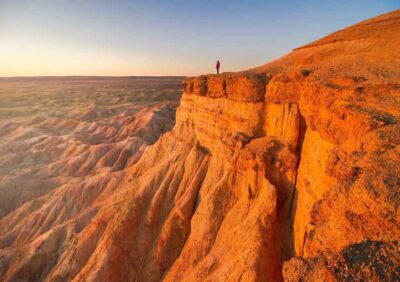
Travel to Gobi by train Visit World energy Center
Read our review →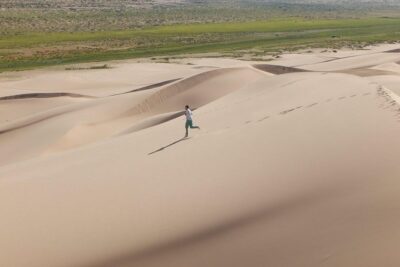
1 Day Semi-Gobi Tour with Lunch And Enjoying Camel or Horseback
Read our review →Browse the lists this tour appears in