
REVIEW · NOMAD FAMILY STAYS
Cooking Class in a Traditional Ger Home in Ulaanbaatar Suburbs
Mongolian food tells family stories. This five-and-a-half-hour visit takes you from your Ulaanbaatar hotel to Bee and Soy’s traditional ger about 5 kilometers from the city center, where you cook noodle soup and steamed dumplings from scratch. I especially like the private setting and the chance to learn directly from a family rather than from a restaurant instructor.
I also like the small cultural details: nettle tea gathered from a nearby mountain, lessons about using every part of an animal, and a closing game of shagai with sheep knuckle bones. The main consideration is the price, $199 per person, which is a serious spend for a cooking class, though it includes private hosting, food, and round-trip transport.
In This Review
- Key points at a glance
- Why this ger visit feels different from a standard cooking class
- Meeting Bee and traveling to the ger district
- Nettle tea, family customs, and a warm welcome
- Making noodle soup and dumplings by hand
- What the meal teaches about Mongolian food
- Shagai, sheep bones, and the final hour
- The $199 price: good value for the right visitor
- Who will enjoy this most
- Practical advice before you go
- Should you book Bee and Soy’s ger cooking class?
- FAQ
- How long does the cooking class in the ger last?
- Where is the traditional ger located?
- Is hotel pickup included?
- What food will I learn to cook?
- Can vegetarians join the experience?
- Is this a private activity?
Key points at a glance
- A real ger home: You visit Bee and Soy’s family home in a ger district outside central Ulaanbaatar.
- Hands-on Mongolian cooking: You prepare dishes such as handmade noodle soup and steamed dumplings, with the menu changing by season.
- Private and personal: Only your own group takes part, so the pace and conversation can be adjusted to you.
- Culture beyond the kitchen: Tea, family customs, food beliefs, sheep meat traditions, games, and sometimes music all form part of the visit.
- Hotel pickup included: Bee meets you at your Ulaanbaatar hotel, and transport may be by car, taxi, or public transport.
- Strong satisfaction record: The activity holds a 5 out of 5 rating from 84 ratings, with 100 percent recommending it.
Why this ger visit feels different from a standard cooking class
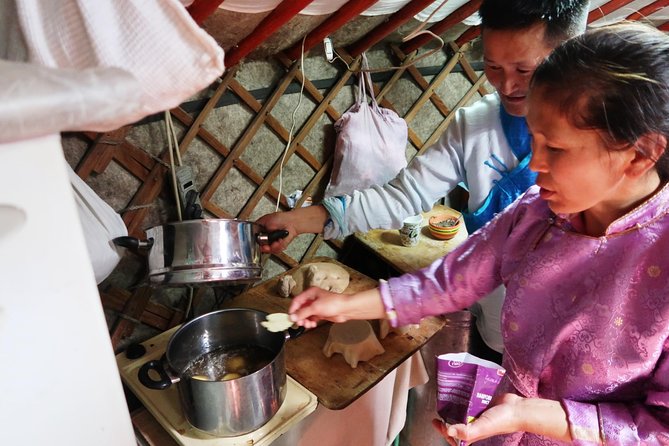
Many cooking classes give you a recipe, a work station, and a plate of food. This one gives you a place in a family home for an afternoon. That difference matters in Mongolia, where food is closely tied to hospitality, seasonal life, respect for animals, and the practical habits of families who have long lived close to the land.
Bee and his wife, Soy, host the activity in their traditional ger. A ger is a round, felt-covered home used by nomadic families across Mongolia. Their home sits in a ger district just outside the city center, so the visit also gives you a look at a part of Ulaanbaatar that is easy to miss if you stay around central squares, museums, and hotels.
The setting is not staged as a museum display. You sit inside a working family home, share tea, prepare food, and talk about daily life. That makes the experience less polished than a professional culinary studio, but much more personal. If you want Mongolia reduced to a tidy demonstration, this may feel informal. If you want a human connection, the informality is the point.
The high rating is easy to understand. Bee and Soy are repeatedly praised for their warmth, patience, conversation, and willingness to explain both food and customs. The strongest part is not any single dish. It is the feeling that you have been welcomed into someone’s home, not moved through a fixed tourist program.
More stays with herding families:
- MONGOLIAN NOMADS: 2-Day Horse Trekking & Cow Milking Tour
★ 4.8 · 23 reviews - Overnight Semi-Gobi Tour with Nomadic HomeStay
★ 4.5 · 6 reviews - 3 Day Nomadic Real Life Experience
★ 5.0 · 2 reviews
Meeting Bee and traveling to the ger district
Your day begins with hotel pickup in Ulaanbaatar. Bee meets you at the hotel and travels with you to the ger, using a car, taxi, or public transport depending on the arrangements. Some visitors have described a mix of taxi, local bus, and walking, while others traveled by car, so you should expect the route and transport style to vary.
The ger is about 5 kilometers from the city center. That distance sounds short, but Ulaanbaatar traffic can affect the timing, and the outer districts feel very different from the downtown core. One account describes a short walk uphill after public transport, so comfortable shoes are sensible.
I like this transfer because it is part of the experience rather than dead time. Bee can begin explaining the city, the neighborhood, or ger life along the way. You also get a glimpse of how ordinary families live outside the central tourist zone.
The tradeoff is that this is not a sleek, door-to-door luxury outing. Public transport or a short walk may be involved, and the ger district setting can feel basic. That is worth knowing before you book, especially if you prefer highly structured excursions with exact transport details.
Nettle tea, family customs, and a warm welcome
When you arrive, Bee and Soy welcome you with hot nettle tea. The nettles are foraged from a nearby mountain, which gives the first drink more meaning than a routine cup of tea. It is an early lesson in how local plants, food, and hospitality connect.
Tea also sets the tone. You are not rushed straight to a cutting board. You have time to sit, ask questions, and hear about Mongolian customs, food traditions, and daily life. Several accounts describe Bee and Soy as open, generous, and easy to talk with, including with solo visitors.
This time is valuable if you are curious about modern Mongolia as well as older customs. Conversation may cover the ger itself, local history, family routines, beliefs about food, and the changes affecting traditional life. The activity presents the ger as a lived home, not simply a symbol of the countryside.
The hosts’ approach seems especially good for people who ask questions. You do not need cooking expertise. The point is to take part, make a few mistakes, and let the conversation grow around the meal.
Making noodle soup and dumplings by hand
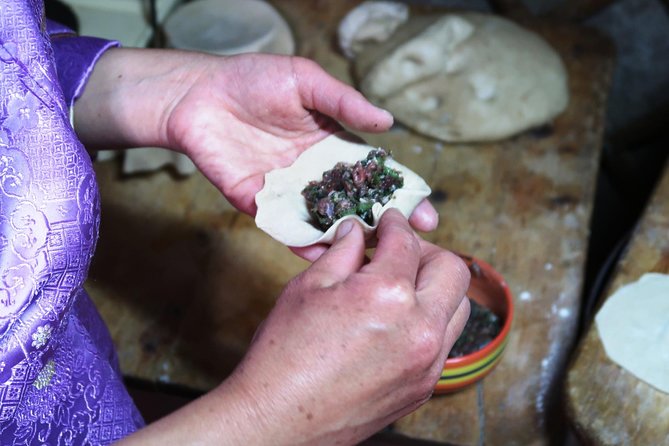
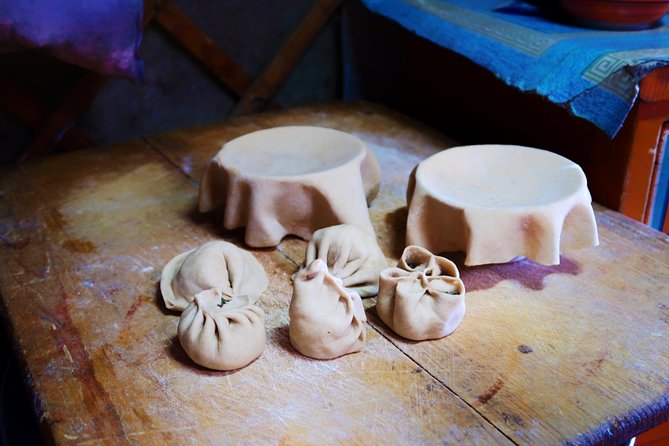
The cooking portion focuses on classic home dishes. You may prepare handmade noodle soup and steamed dumplings, using fresh local ingredients and family recipes. The exact menu can change with the season, so you should not book expecting a fixed restaurant menu.
The dumplings are a strong hands-on choice. You learn to prepare the filling, shape the dough, and work through the steps with Bee and Soy. Some accounts describe making rolled dumplings and a soup sometimes prepared especially for visitors. The process is practical and social, not a formal lecture.
Soup provides a useful look at everyday Mongolian cooking. Handmade noodles require simple ingredients but careful preparation, and the final dish reflects the value placed on filling, warming food. You are not just tasting a finished meal. You are seeing how a family turns basic ingredients into something shared.
The meat may include sheep, and particular visits have featured sheep heart or rump in dumplings. Other meals have included sheep meat alongside soup and dumplings. Since the menu depends on the season and arrangements, tell the provider about allergies, dietary restrictions, or food preferences when booking.
Vegetarian food is available with advance notice. That is important because meat plays a central role in many Mongolian meals, and a vegetarian menu needs planning rather than a last-minute substitution. Vegetarian visitors have been accommodated successfully, but you should not leave the request until arrival.
A completely different kind of day out:
- From Ulaanbaatar: Genghis Khan Statue NationalPark CamelRide
★ 4.8 · 353 reviews - Genghis Khan Statue Day Tour+National Park+Camel Ride+Eagle
★ 4.5 · 261 reviews - From Ulaanbaatar: Central Mongolia Guided 3-Day Tour
★ 4.6 · 186 reviews - Ulaanbaatar: Small Group 3-Day Best of Central Mongolia Tour
★ 4.1 · 171 reviews
What the meal teaches about Mongolian food
The meal is where the cooking lesson becomes a cultural lesson. Bee explains ideas about seasonal eating, the value of free-range sheep, and the importance of using the whole animal rather than wasting useful parts.
Some food traditions may surprise you. One account describes seasonal beliefs about eating different sweet meats, such as heart in summer. Another explains how sheep feed on herbs and how sheep tail fat is viewed as easy to digest because of its soft texture.
You do not have to agree with every traditional food belief to appreciate what it reveals. Food here is not treated as decoration. It carries ideas about health, nature, hospitality, and respect for the animal that provides the meal.
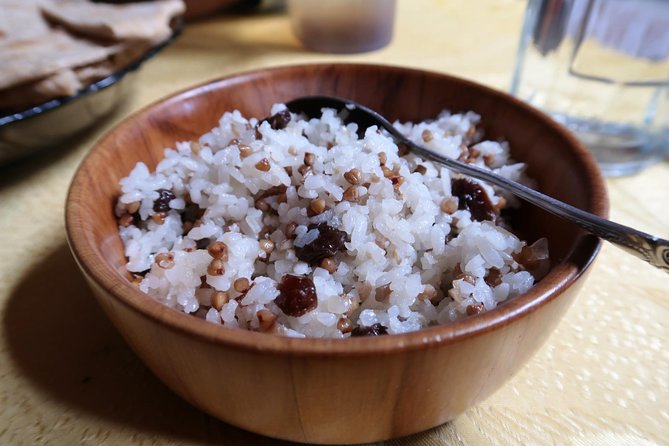
The eating itself takes place inside the ger, often with the hosts and your group sharing the dishes you prepared. That shared table is one of the best reasons to choose this outing over a restaurant meal. You can ask about ingredients while tasting them, and the meal becomes a two-way conversation about Mongolia and your own home.
Expect a home meal, not a fine-dining presentation. Portions, preparation, and dishes may be shaped by the season and the family’s normal cooking. For me, that is a strength, but anyone seeking a polished culinary performance should set expectations accordingly.
Shagai, sheep bones, and the final hour
After the meal, you learn shagai, a traditional Mongolian game played with animal knuckle bones. Sheep bones can also serve as toys, fasteners, and other useful objects, so the game offers a small window into a culture of careful reuse.
This is a smart way to end the visit. You have already cooked and eaten, so the game slows the pace and keeps the focus on family life. It is also an activity you can share with children, adults, or anyone who enjoys learning a simple local pastime.
The exact ending can vary. Some visits have included traditional Mongolian songs performed by Bee and Soy, while others have focused more on conversation and games. Music should be viewed as a possible extra, not a guaranteed part of every booking.
The closing moments may also include a short walk around the neighborhood. That can add context to the ger district and show you more of the area where the hosts live. If you have energy after the meal, it is worth accepting the invitation.
The $199 price: good value for the right visitor
At $199 per person, this is not a budget cooking lesson. The price makes more sense when you count the full five-and-a-half-hour experience: hotel pickup, transport to the ger, a private class, ingredients, a home-cooked meal, cultural conversation, and the time of two hosts.
A private format also changes the value. Only your own group participates, so Bee and Soy can answer personal questions and adjust the cooking pace. Solo visitors pay a high per-person rate, but gain an unusually direct way to meet a Mongolian family. Couples and small groups may find the cost easier to justify because the whole afternoon is reserved for them.
I would not choose this activity mainly for its recipes. If your goal is to learn several advanced techniques or take home a detailed chef’s curriculum, the price may feel high. If your goal is to understand Mongolian food through a family, the meal, setting, and conversation make the cost more defensible.
The activity is also a good use of a day in Ulaanbaatar when you want something beyond museums and city sights. It does not replace seeing the capital, but it adds the everyday perspective that a central sightseeing schedule usually misses.
Who will enjoy this most
I recommend this for solo visitors, couples, families, and small groups who want direct contact with local life. It is especially suitable if you enjoy asking questions, trying unfamiliar foods, and learning through ordinary conversation rather than watching a staged show.
Food lovers will appreciate making soup and dumplings from scratch. People interested in nomadic customs will get more from the ger, shagai, animal-bone traditions, tea, and stories than from the cooking alone.
It can also work well as an early activity in your Mongolia trip. The hosts can help you get a feel for local customs, food, and the city’s outer districts. Several visits have included extra conversation about Ulaanbaatar and Mongolia beyond the formal cooking steps.
You may want to think twice if you need a precise menu, strict timing, or a fully accessible route. The transport can include public transit and walking, the home is outside the city center, and the food changes with the season. The available information does not provide specific accessibility details, so ask the provider before booking if that matters for your group.
Practical advice before you go
Allow the full five-and-a-half hours, including the journey to and from the ger. A visit may begin around 10 a.m. and finish around 3:30 p.m., though your confirmed start time will control the day.
Wear comfortable clothing for cooking and shoes suitable for a possible short walk. The ger is a family home, so a relaxed and respectful manner will serve you better than treating the visit like a restaurant appointment.
Tell Traveling Spoon about allergies, dietary restrictions, and cooking preferences when you reserve. Vegetarian food is offered, but advance notice is required. Since the menu may vary by season, ask if you have a particular dish in mind.
You receive confirmation at booking, and free cancellation is available up to 24 hours before the local start time. Changes or cancellations made inside that window are not accepted for a refund.
The activity has earned a 5 out of 5 score from 84 ratings, with 100 percent recommending it. That record fits the experience’s main strength: Bee and Soy seem to make people feel at home while giving them a useful, grounded look at Mongolian food and family life.
Should you book Bee and Soy’s ger cooking class?
Book it if you want a personal cultural experience, not just a cooking lesson. The best parts are the family setting, the generous hosts, the homemade meal, and the chance to talk about Mongolian customs while doing something practical.
The $199 price is the key decision. It is high for food alone, but fairer when you consider the private format, transport, five-and-a-half-hour visit, ingredients, and cultural time with Bee and Soy. I would make room for it if you have one free afternoon in Ulaanbaatar and value sincere local contact over a packed list of sights.
Skip it only if you need a low-cost activity, a fixed menu, or a polished culinary school format. For everyone else, this is one of the clearest ways to meet Mongolia through its food, its home, and its hospitality.
FAQ
How long does the cooking class in the ger last?
The experience lasts approximately 5 hours and 30 minutes. A typical visit may run from around 10 a.m. to 3:30 p.m., but your confirmed start time determines the schedule.
Where is the traditional ger located?
Bee and Soy’s ger is about 5 kilometers from central Ulaanbaatar, in a suburban ger district.
Is hotel pickup included?
Yes. Round-trip transfers from your Ulaanbaatar hotel are included. Transport may be by car, taxi, or public transport.
What food will I learn to cook?
The menu may include handmade noodle soup and traditional steamed dumplings. A meal may also include sheep meat. The menu changes with the season.
Can vegetarians join the experience?
Yes. A vegetarian option is available, but you must advise the provider when booking. You should also report allergies and other dietary restrictions in advance.
Is this a private activity?
Yes. Only your group participates, making the experience private and personalized.
Just added in Ulaanbaatar
- 7 Day White stupa Gobi Orkhon valley Central Mongolia★ 5.0 · 1 review
- Ulaanbaatar: Mongolian Bökh Wrestling Tournament Experience★ 5.0 · 1 review
- Ulaanbaatar Signature Tour – Mongolia’s Capital in One Day★ 4.3 · 3 reviews
- Ulaanbaatar: Chinggis Khaan Museum Highlights Private Tour★ 5.0 · 2 reviews
- Ulaanbaatar: Chinggis Khaan Equestrian Statue – Terelj NP★ 5.0 · 1 review
- Ulaanbaatar: 4-Day Central Mongolia Winter Tour★ 5.0 · 3 reviews
- UB Walk: Discover a Side of Ulaanbaatar Most Travelers Miss★ 5.0 · 2 reviews
- Private Transfer between New Ulaanbaatar International Airport and Ulaanbaatar★ 5.0 · 4 reviews
Nomad Family Stays, compared.
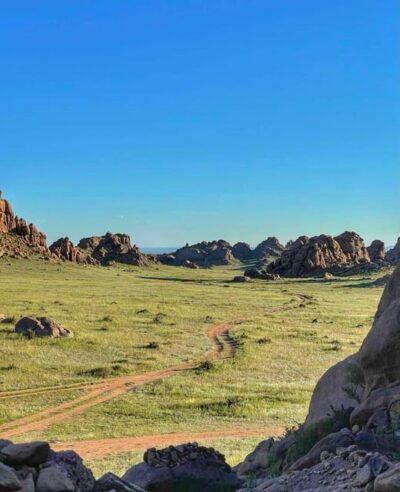
MONGOLIAN NOMADS: 2-Day Horse Trekking & Cow Milking Tour
Read our review →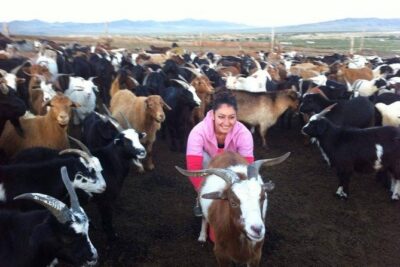

2D,1N Gobi desert and Old city Kharkhorum stay with Nomadic family
Read our review →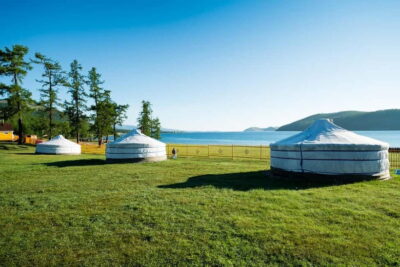
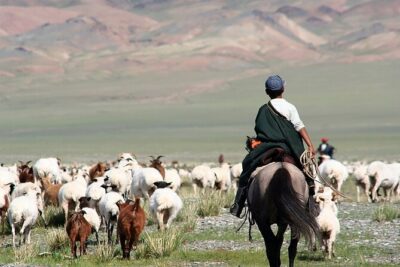
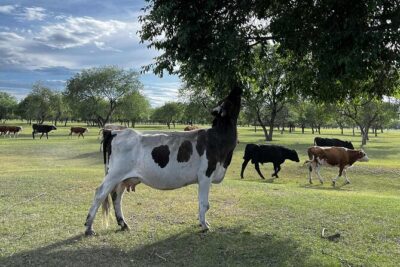
4 Day Nomadic Life Experience In Northern Mongolian
Read our review →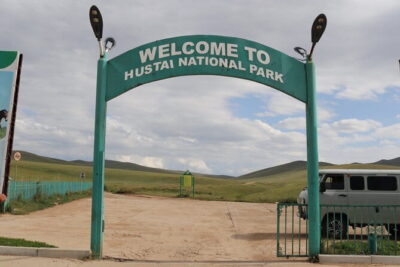
Mongol Nomadic & Khustai National Park Private Full Day Tour
Read our review →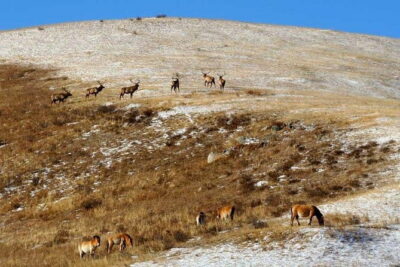
2 Days Hustai National Park and Nomadic homestay tour
Read our review →Browse the lists this tour appears in