
REVIEW · CENTRAL MONGOLIA MULTI-DAY TOURS
Captivating Central Mongolia with Guide
Snow changes Mongolia completely. This six-day trip combines winter glamping with frozen waterfalls, sand dunes, hot springs, ancient ruins, and time beside a nomadic family. I like the close look at everyday life around Elsen Tasarkhai, and I like that private transport, meals, water, taxes, and warm tents are included. The main concern is the pace: long drives and several five-to-seven-hour stops will suit active visitors better than anyone seeking a slow holiday.
I also like the small maximum group of 10, which should make camp life and countryside stops easier to manage. At $1,350 per person, the price is substantial, but five breakfasts, five dinners, six lunches, winter accommodation, and transport cover many of the costs that can quickly add up in rural Mongolia. Still, winter conditions can make road travel and outdoor sightseeing demanding, so bring patience, warm clothing, and a fair level of fitness.
In This Review
- Key points to know before you book
- Why this winter trip is different
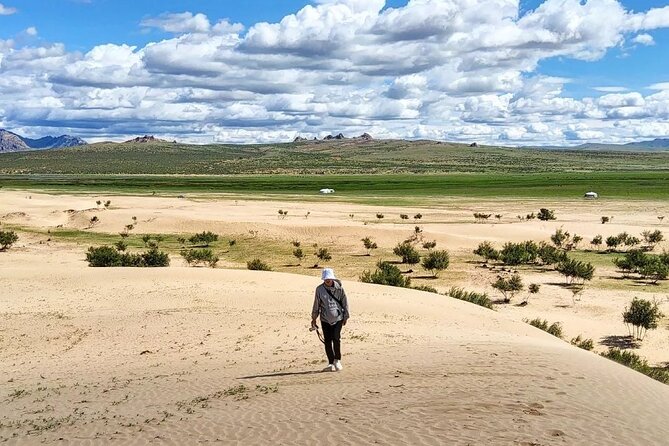
- Day 1: Sand, granite, and nomadic life at Elsen Tasarkhai
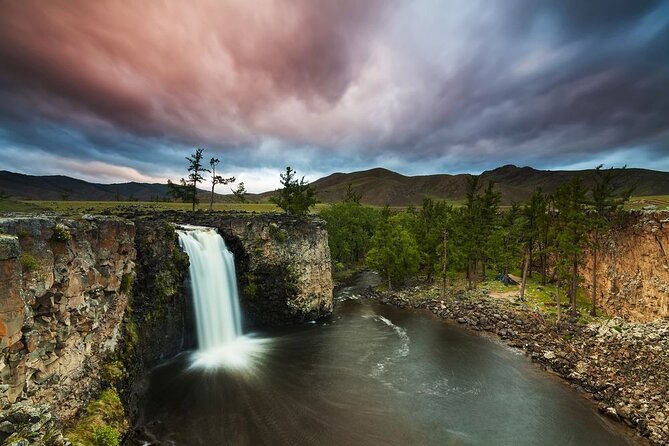
- Day 2: Orkhon Waterfall under winter conditions
- Day 3: Tsenkher Hot Spring and Altan-Ovoo
- Day 4: Kharkhorin, Erdene Zuu, and the Mongol Empire
- Day 5: A long day beside Ugii Lake
- Day 6: Returning to Ulaanbaatar
- What the $1,350 price really covers
- Comfort, fitness, and what to pack
- Who should choose this experience?
- Should you book Captivating Central Mongolia with Guide?
- FAQ
- Where does the tour begin and end?
- How long does the experience last?
- How much does the tour cost?
- What type of accommodation is included?
- Are meals included?
- Is transportation included?
- How large is the group?
- Can I cancel for a full refund?
Key points to know before you book
- Winter glamping in Central Mongolia: Sleep in specially arranged tents intended to keep you warm during the cold season.
- A real nomadic connection: Camp beside a traditional family at Elsen Tasarkhai and see more of daily rural life.
- Frozen Orkhon Waterfall: The winter visit gives you a very different view from the familiar summer scene.
- Mongolia’s historic center: Kharkhorin, Erdene Zuu Monastery, and the Kharakhorum Museum create the tour’s strongest cultural day.
- Long driving days: Day 5 includes seven hours at Ugii Lake, followed by about six hours back to Ulaanbaatar on Day 6.
- Small-group value: The group is capped at 10, with private transportation and a 9:00 a.m. departure from central Ulaanbaatar.
Why this winter trip is different
Most trips to Mongolia focus on warm-weather grasslands, open-air camps, and long summer days. This experience takes the harder route, traveling through Central Mongolia during winter, when snow and cold reshape the scenery and make familiar places feel new.
The central idea is comfort without removing you from the setting. You sleep in winter glamping tents rather than ordinary hotel rooms, eat included meals, and spend time in rural areas that have very few conventional lodging options. That combination matters in Mongolia, where distances are large and services outside Ulaanbaatar can be limited.
You should not mistake glamping for a city hotel. The tents are described as designed to keep you warm, but the tour does not provide detailed information about beds, private bathrooms, heating systems, or electricity. Ask the provider, Nomaad travel, for those specifics before paying, especially if cold-weather camping is new to you.
The schedule also asks a lot of you. A stop marked as five hours may include sightseeing, photography, meals, or time at camp, but the trip still involves extensive road travel across rural Mongolia. The reward is access to places that are difficult to combine independently in only six days.
More multi-day trips across central Mongolia:
- From Ulaanbaatar: Central Mongolia Guided 3-Day Tour
★ 4.6 · 186 reviews - Ulaanbaatar: Small Group 3-Day Best of Central Mongolia Tour
★ 4.1 · 171 reviews - Central Mongolia Guided 3-Day Comfortable Tour
★ 4.5 · 37 reviews
Day 1: Sand, granite, and nomadic life at Elsen Tasarkhai
The journey begins at 9:00 a.m. by the Tsedenbal Statue near the National Central Library on Chinggis Khan Avenue in Ulaanbaatar. From there, private transport takes you toward Elsen Tasarkhai, a striking area known for its meeting of sand and open country.
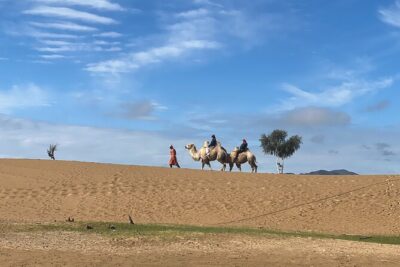
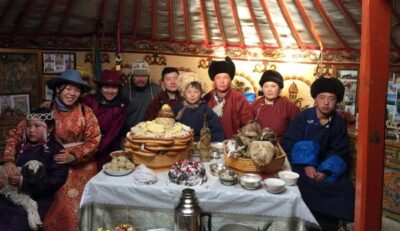
The day allows about five hours at Elsen Tasarkhai. That is enough time to take in the scenery and spend meaningful time beside a traditional nomadic family. For me, this is one of the most valuable parts of the trip because it gives the journey a human center. You are not only collecting photographs of Mongolia. You are seeing how a family lives in a setting shaped by weather, distance, animals, and seasonal movement.
The description promises a chance to understand more of nomadic life, but it does not specify which activities are included. You should not assume that horse riding, milking, animal care, or a home visit are part of the program. Ask what your time with the family involves if that is a major reason for booking.
The next stop is Khugnu Tarna, also called Khugnu Khan National Park. Allow about two hours here. The area is known for Khugnu Khan Mountain, a granite peak that rises above the surrounding country. After the softer lines of the sand at Elsen Tasarkhai, the mountain gives the first day a useful change of shape and color.
Admission is included at both stops. Your first night is spent camping beside the nomadic family, according to the schedule. That arrangement is likely to be memorable, but it also means you should prepare for a rural setting rather than expect hotel-style convenience.
Day 2: Orkhon Waterfall under winter conditions
Day 2 takes you to Orkhon Waterfall, with about five hours set aside for the stop. The waterfall is often associated with warmer-season visits, when flowing water and green country create a softer scene. In winter, frozen surfaces and snow give it a stark, photographic quality.
The cold changes how you experience the place. You may spend less time standing still than you would in summer, so warm boots, gloves, a hat, and spare socks matter. The supplied information does not state the exact walking distance or trail conditions, but the requirement for moderate physical fitness suggests you should be ready for outdoor movement on uneven or cold ground.
Photography is clearly an important part of the program. Winter light, ice, rock, and snow can create strong images, but batteries lose power quickly in cold weather. Carry spare batteries close to your body if photography is a priority. That is practical advice rather than a promise about the equipment or facilities available on site.
The Orkhon Valley follows for about two hours. Here, the focus shifts from one dramatic feature to the wider setting and its nomadic heritage. The valley gives you time to see how people, animals, rivers, and open country fit together. The visit may feel quiet and spacious, which is part of its appeal.
This is also another demanding day. Five hours at the waterfall and two hours in the valley do not include all driving time, so expect a full day outdoors and on the road. Admission is included for both stops.
Day 3: Tsenkher Hot Spring and Altan-Ovoo
After two days of cold scenery, Tsenkher Hot Spring provides a welcome change. The schedule allows five hours here, giving you time to relax in natural hot-spring water surrounded by countryside.
The description of this stop uses summer imagery, including greenery, sunlight, steam, and a gentle breeze. Since the advertised experience is winter glamping, you should confirm how the hot spring visit operates during the season of your booking. The appeal is obvious: warm water and cold air can make a memorable contrast, but the practical details matter.
Ask whether changing areas, towels, and access to the bathing pools are provided. These items are not listed in the included services. You should also bring a bathing suit if you plan to enter the water, since the tour information does not say that one is supplied.
The schedule then gives about one hour to Altan-Ovoo in Tsenkher Soum, in Arkhangai Province. Admission is free. This area is associated with hot springs, natural scenery, and nomadic heritage, so it works as a short local stop rather than a major sightseeing attraction.
Day 3 has a more comfortable rhythm than Day 2, at least on paper. The hot spring gives you time to rest, while Altan-Ovoo adds a brief look at the surrounding area. Still, the overall trip remains active, and road conditions can affect the timing.
A completely different kind of day out:
- From Ulaanbaatar: Genghis Khan Statue NationalPark CamelRide
★ 4.8 · 353 reviews - Genghis Khan Statue Day Tour+National Park+Camel Ride+Eagle
★ 4.5 · 261 reviews - Terelj national park transport /Best price tour
★ 4.7 · 135 reviews - Ulaanbaatar: Chinggis Khaan Statue and Turtle Rock Day Tour
★ 4.7 · 132 reviews
Day 4: Kharkhorin, Erdene Zuu, and the Mongol Empire
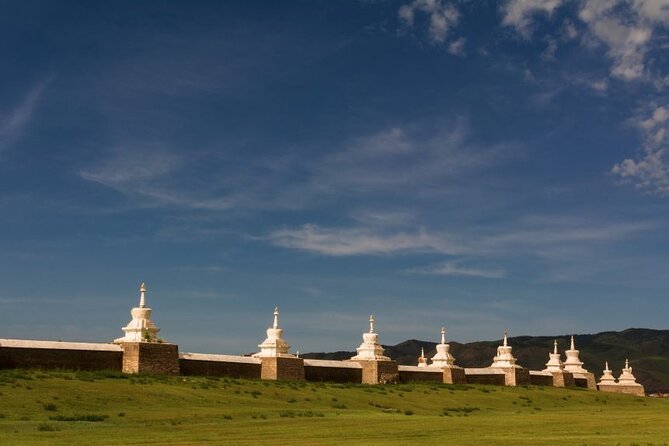
Day 4 is the strongest history and culture day. It begins at Kharkhorin, the ancient capital of Mongolia, with about three hours to explore. The old capital connects the modern country with the era of the Mongol Empire, and the setting gives historical ideas a real place on the ground.
The program describes ruins, countryside views, ancient streets, hills, and rivers. Some of that wording reflects summer conditions, so winter visitors should expect a colder, more subdued scene. The appeal remains: you can walk through an important former center of power and picture how different the region must have looked when Kharkhorin was a major capital.
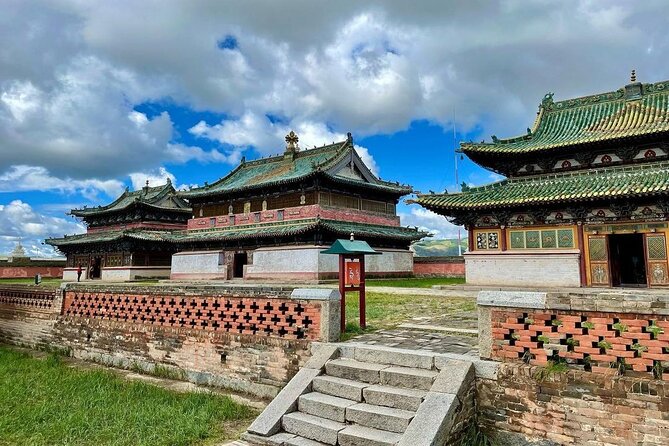
Next comes Erdene Zuu Monastery, with two hours included. It is one of Mongolia’s oldest monasteries and gives you a chance to examine religious buildings and architectural details. Two hours is a useful amount of time for a first visit, particularly if you want photographs and a closer look rather than a rushed pass through the complex.
The Kharakhorum Museum receives another two hours. This is where the story becomes easier to understand. The collection includes objects linked to the ancient Mongol Empire, including pottery, sculptures, and tools. A museum visit is especially helpful after seeing the former capital because it gives physical context to the ruins.
Admission to Erdene Zuu and the museum is included. Kharkhorin itself is listed without an admission charge. If you prefer nature to museums, this will be your most structured day, but it is essential for making sense of Mongolia beyond its scenery.
Day 5: A long day beside Ugii Lake
Ugii Lake receives about seven hours, the longest scheduled stop of the trip. That time allows the day to slow down after the historical sites, with room for walking along the shore, taking photographs, and enjoying the lake’s open setting.
The description focuses on summer activities such as boating, fishing, sandy beaches, reeds, and warm weather. Those details should not be treated as guaranteed winter activities. The lake may be frozen or surrounded by snow, and the available facilities are not specified.
That seasonal uncertainty is important. Ugii Lake can still be a beautiful winter stop, but you should expect quiet views rather than a warm-weather resort day. Ask Nomaad travel what activities, if any, operate during your dates. Admission is free, and the long visit gives you flexibility if conditions limit what you can do.
A seven-hour stop can be tiring if the weather is harsh. I would use this day for simple pleasures: a walk when conditions allow, careful photographs, and a chance to appreciate the silence. Bring enough layers to stand outside comfortably, since the included drinking water and meals do not replace personal winter gear.
Day 6: Returning to Ulaanbaatar
The final morning begins with time to say goodbye to Ugii Lake and photograph its last quiet views. The drive to Ulaanbaatar takes about six hours, with the route changing from remote countryside toward more populated areas.
This return journey is not just dead time. You may see steppes, distant mountains, rural settlements, and changing patterns of habitation from the vehicle. Since private transportation is included, you avoid arranging a separate transfer and finish back at the original meeting point.
Still, six hours on the road is a serious part of the day. If you have an evening flight, train, or other fixed appointment, confirm the expected arrival time directly with the provider. The official end point is the starting location, but no exact arrival hour is given.
What the $1,350 price really covers
At $1,350 per person, this is not a budget excursion. The value depends on how much you want handled for you in a remote winter setting.
The package includes private transportation, winter glamping tents, all fees and taxes, drinking water, five dinners, five breakfasts, and six lunches. That is a strong list for a six-day trip, particularly because food and transport are harder to arrange once you leave Ulaanbaatar.
You also avoid the cost and stress of piecing together separate transfers, rural stays, site admissions, and meals. A group maximum of 10 keeps the experience smaller than a large coach tour, though the word private refers to the transportation arrangement and does not necessarily mean a solo vehicle for every booking.
Alcohol is not included. Bring your own only if the provider and local rules allow it, since the supplied information does not promise availability or service. Group discounts may improve the price for people booking together.
Comfort, fitness, and what to pack
The tour requires a moderate level of physical fitness. That does not automatically mean strenuous trekking, but you should be ready for cold outdoor stops, uneven ground, long days, and extended road journeys.
For winter, pack thermal layers, a warm outer jacket, insulated boots, thick socks, gloves, a hat, and protection for your face in strong wind. A headlamp, personal toiletries, power bank, and spare camera batteries are sensible additions, though they are not listed as supplied.
The tent accommodation is the biggest comfort question. It is intended to keep you warm, but the details of bedding, toilets, showers, and electrical access are not provided. Get clear answers before booking if you need private facilities or regular charging.
The trip includes meals, but no menus are specified. You can expect food provision, not a particular style of cooking or dietary plan. Tell Nomaad travel about dietary needs before departure and ask what alternatives are possible.
Who should choose this experience?
I would recommend it to you if you want a concentrated introduction to Central Mongolia and are willing to trade polished hotel comfort for a rural setting. It suits photographers, active sightseers, history fans, and people curious about nomadic life.
The single available rating is five out of five, and the strongest praise centers on the sheer range packed into six days: waterfalls, sand dunes, and historic monuments. That matches the program. You see natural features, cultural sites, a hot spring, a lake, and a working rural community in one circuit.
I would hesitate if you dislike long drives, cold weather, basic camp conditions, or changing plans caused by winter conditions. The summer descriptions attached to Tsenkher Hot Spring and Ugii Lake also mean you should ask careful seasonal questions rather than picture a warm, green holiday.
The tour starts at the Tsedenbal Statue at 9:00 a.m. and returns there. Confirmation arrives at booking, and free cancellation is available until at least 24 hours before the start time. If the minimum group size is not met, the provider may offer another date or experience, or a full refund.
Should you book Captivating Central Mongolia with Guide?
Book it if your ideal Mongolia trip includes frozen scenery, a nomadic family, historical sites, and the unusual comfort of a heated winter tent. The included meals and private transport make the $1,350 cost easier to justify, and the 10-person limit should keep the group manageable.
Before you commit, confirm the tent facilities, the winter setup at Tsenkher Hot Spring and Ugii Lake, the exact driving plan, and how the nomadic visit works. If those answers suit you, this is a bold and rewarding way to see Central Mongolia when far fewer people are on the road.
FAQ
Where does the tour begin and end?
It begins and ends at the Tsedenbal Statue near the National Central Library on Chinggis Khan Avenue in Ulaanbaatar. The stated start time is 9:00 a.m.
How long does the experience last?
The trip lasts approximately six days.
How much does the tour cost?
The listed price is $1,350 per person. Group discounts are available.
What type of accommodation is included?
Winter glamping tents are included and are intended to keep you warm during the tour.
Are meals included?
Yes. The package includes five breakfasts, five dinners, and six lunches.
Is transportation included?
Yes. Private transportation is included for the journey.
How large is the group?
The tour accepts a maximum of 10 travelers.
Can I cancel for a full refund?
Yes. You can receive a full refund if you cancel at least 24 hours before the experience start time. Changes or cancellations made within 24 hours are not accepted for a refund.
Just added in Ulaanbaatar
- 7 Day White stupa Gobi Orkhon valley Central Mongolia★ 5.0 · 1 review
- Ulaanbaatar: Mongolian Bökh Wrestling Tournament Experience★ 5.0 · 1 review
- Ulaanbaatar Signature Tour – Mongolia’s Capital in One Day★ 4.3 · 3 reviews
- Ulaanbaatar: Chinggis Khaan Museum Highlights Private Tour★ 5.0 · 2 reviews
- Ulaanbaatar: Chinggis Khaan Equestrian Statue – Terelj NP★ 5.0 · 1 review
- UB Walk: Discover a Side of Ulaanbaatar Most Travelers Miss★ 5.0 · 2 reviews
- Ulaanbaatar: 4-Day Central Mongolia Winter Tour★ 5.0 · 3 reviews
- Private Transfer between New Ulaanbaatar International Airport and Ulaanbaatar★ 5.0 · 4 reviews
Central Mongolia Multi-Day Tours, compared.
Small Group 3-Day Best of Central Mongolia Tour
Read our review →
4 Day Best of Central Mongolia tour, Chinggis Khan statue
Read our review →
5 Days Terelj national Park Tour From Central Mongolia
Read our review →Browse the lists this tour appears in